


By: Cooper K. Sangar Jr.
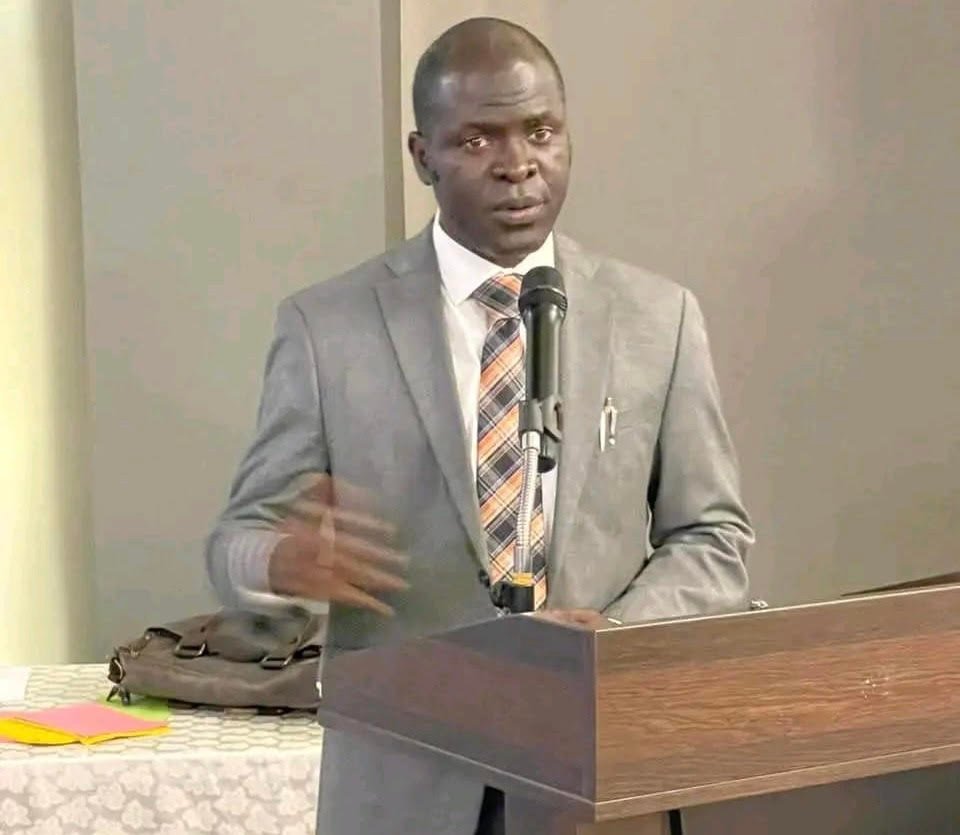
Monrovia – The Executive Director of Liberia’s Environmental Protection Agency (EPA), Dr. Emmanuel K. Urey Yarkpawolo, has firmly rejected a proposal by Thomas Romeo Quiah, Representative of Sinoe County District #2, to de-gazette Sapo National Park (SNP).
Representative Quiah recently submitted the proposal to the House of Representatives, seeking to remove the park’s protected status—a move Dr. Yarkpawolo warns would result in “irreversible damage” to Liberia’s environmental, economic, and cultural heritage.
In a detailed statement issued Monday, Dr. Yarkpawolo described Sapo National Park as Liberia’s “prime treasure” and the largest protected area in the country.
It is home to one of the most intact tropical rainforests on Earth, sheltering hundreds of species of mammals, birds, butterflies, and plants—many of them rare, endemic, or endangered.
Critical Ecosystem and Climate Value
Dr. Yarkpawolo emphasized that the park forms the core of the largest remaining stretch of the Upper Guinean Forest in West Africa. It functions as a vital global carbon sink, with the capacity to store up to 29 million tons of carbon.
“De-gazetting would destroy Liberia’s competitive advantage in global carbon markets,” he cautioned, pointing out that intact forests are central to the country’s carbon trading policy and its commitments under the Paris Agreement.
He cited studies showing that for every dollar invested in a protected area, there is a sixfold return in economic value through ecosystem services such as water purification, flood regulation, and natural hazard protection.
The park also plays a key role in mitigating drought and extreme heat risks for surrounding communities.
Violation of National Laws and International Commitments
According to the EPA chief, the proposal contradicts several national environmental laws, including: The Environmental Protection and Management Law (2003), the National Wildlife Conservation and Protected Area Management Law (2016) and the Forest Reform Law (2006).
Dr. Yarkpawolo also noted that de-gazetting the park would undermine Liberia’s pledge to conserve 30% of its forests, as well as its obligations under international biodiversity and climate change agreements.
Economic Risks and Community Impact
Dr. Yarkpawolo dismissed claims that removing the park’s protected status would benefit nearby communities. He pointed to previous instances of unregulated logging, which led to environmental degradation and worsened living conditions for local residents.
He stressed that more than 90% of the park’s staff are recruited from surrounding communities, providing stable employment and local economic support—benefits that would be lost if the park were opened to commercial exploitation.
“Experience shows de-gazettement favors elite commercial interests over grassroots development,” he said. “It would open the door to unsustainable exploitation, deepen rural poverty, and erode community rights.”
A Call for Strengthened Management, Not Elimination
Rather than eliminating protections, the EPA is advocating for improved governance of the park. Recommendations include: increasing SNP’s operational budget, launching international fundraising campaigns, conducting feasibility studies for carbon credits and resolving boundary disputes with affected communities.
“The long-term socio-ecological and economic costs of de-gazetting far outweigh any short-term benefits,” Dr. Yarkpawolo concluded. “Our responsibility is not to dismantle Sapo National Park, but to unlock its full potential for conservation and sustainable livelihoods.”
Sapo National Park, located in Sinoe County and spanning 180,400 hectares, remains one of Liberia’s most vital symbols of biodiversity, ecological resilience, and national pride.
