


By: Trokon Wrepue – trokon1992seokin@gmail.com
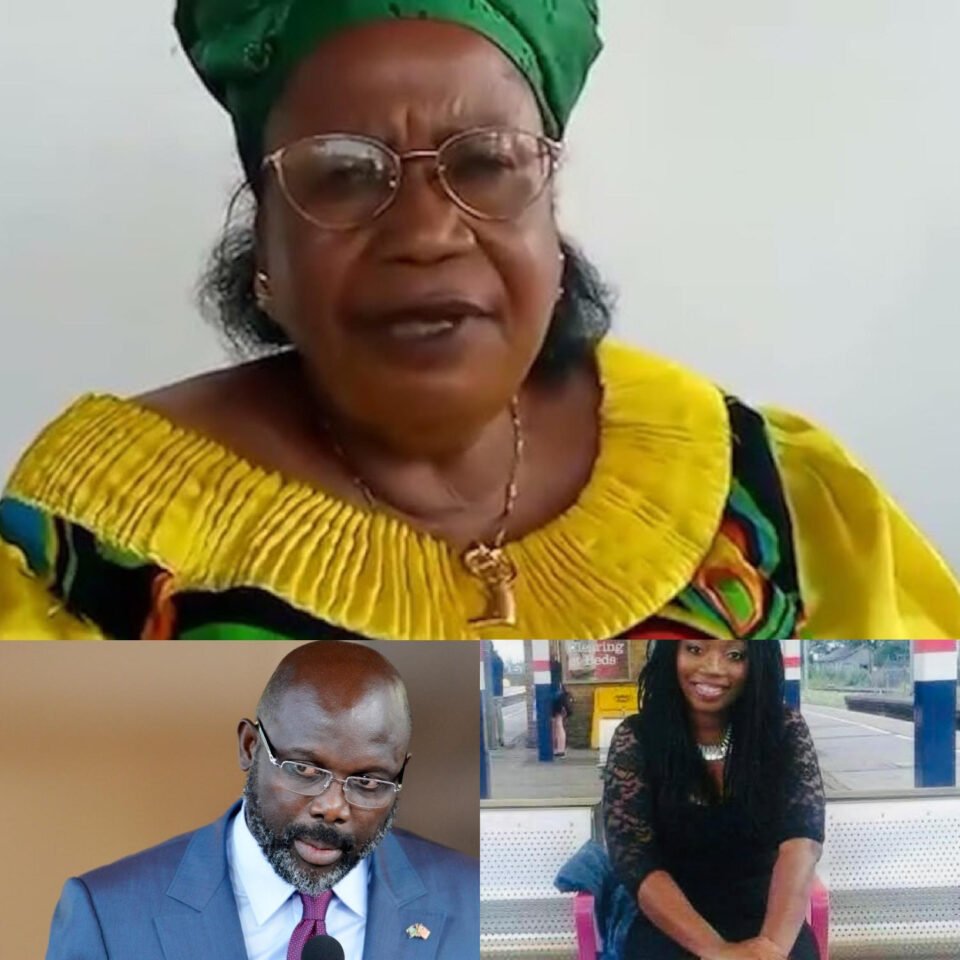
MONROVIA – Liberia is in mourning following the passing of former First Lady Nancy Bohn Doe, who died on Tuesday, May 20, 2025, after a period of illness. Her death has prompted tributes from across the political and social spectrum, underscoring her enduring legacy in public service and advocacy for women’s empowerment during a transformative era in Liberia’s history.
Among those who publicly expressed condolences was former President George Manneh Weah, who described Madam Doe as a “towering presence” during the administration of her husband, former President Samuel K. Doe.
“She will be remembered for her charitable endeavors and steadfast advocacy for women,” Weah wrote in a statement. He also recalled her support for national football, crediting the Doe administration for playing a pivotal role in his journey to becoming a professional footballer.
“Her passing has left a profound void… not only for those who came to know her—such as myself—but for the entire nation.”
However, the former president’s tribute has sparked a pointed and emotional response from Mamie Doe, daughter of the late First Lady.
In a letter that has since circulated widely, Mamie Doe questioned the sincerity of Mr. Weah’s condolences, recounting a strained and painful personal encounter between her mother and the then-president during his time in office.
According to Mamie Doe, the former First Lady was humiliated during a meeting where she appealed for her son’s job security. She alleges that Mrs. Doe was made to wait for over eight hours, subjected to public scolding, and denied her rights and recognition as a former First Lady over a six-year period.
The letter accuses Mr. Weah of ignoring her mother’s repeated pleas for justice, including the resolution of long-standing legal and financial entitlements.
“She stood at the gates of the Executive Mansion, only to be turned away, time and time again,” Mamie wrote, citing her mother’s persistent efforts to seek redress.
The response highlights a deep rift between the two political families and has sparked public debate about the treatment of former national figures, the responsibilities of sitting presidents, and the long-term implications of Liberia’s post-war leadership transitions. Despite the tensions, Mamie Doe acknowledged the former president’s message, closing her letter with: “Nevertheless, we acknowledge your unexpected sympathy. Let the Almighty judge you and her.”
Madam Nancy B. Doe served as First Lady from 1980 to 1990, a period marked by political upheaval and eventual civil conflict.
In the years following her husband’s assassination, she remained active in civil society and was known for her advocacy for women, youth, and national reconciliation. Her quiet but determined presence has left an indelible mark on Liberia’s socio-political landscape. As the nation prepares for her funeral, Liberians from all walks of life continue to reflect on her contributions—and on the complex legacies of those who have shaped the country’s modern history.
