


By: Kabina Kabah
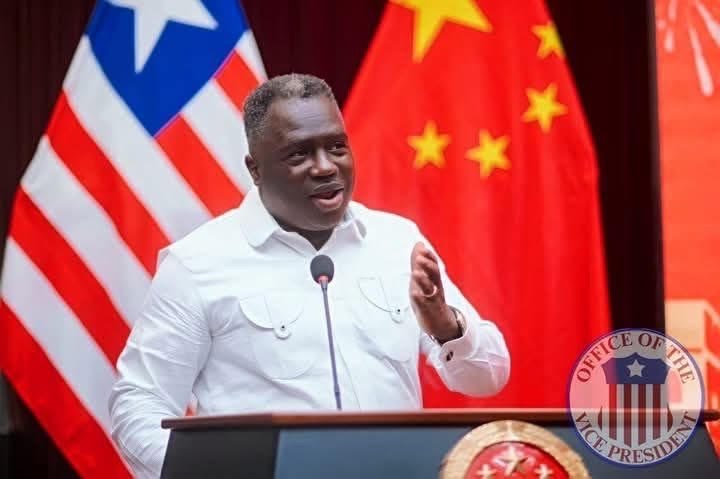
Paris, France – Vice President Jeremiah Koung has reaffirmed Liberia’s commitment to tackling malnutrition, a global challenge that threatens the health, development, and economic potential of every nation.
According to Vice President Koung nutrition is the cornerstone of human capital development, ensuring that children grow strong, that our workforce remains productive, and that our communities thrive.
Remarking at the ongoing Nutrition for Growth Summit in Paris, France, VP Koung said Liberia has made significant strides in addressing malnutrition. “Over the past two decades, stunting among children under five has declined from 45% in 2000 to 30% in 2018.”
This progress he said underscores the government’s unwavering commitment to improving child nutrition and public health.
VP Koung then said despite these gains, malnutrition remains a serious public health challenge as nearly 30% of children under five in Liberia continue to suffer from stunting due to chronic malnutrition.
Recognizing its devastating impact on child growth, cognitive development, school performance, and future productivity, he said Liberia is strengthening multi-sectoral interventions to ensure a healthier future for every Liberian child. and the government, have prioritized nutrition, food security, and agricultural development as essential pillars under its ARREST AGENDA for Inclusive Development.
It can be recalled in July 2024, President Boakai launched Liberia’s National Agriculture Development Plan, which aims to increase local food production, food sufficiency, and farmer empowerment to enhance sustainable development and reduce reliance on food imports.
Vice President Koung told the gathering that Liberia has expanded its health sector interventions by increasing access to nutrition services, community health programs, and maternal-child health initiatives.
He however said Liberia has also developed and launched the Multi-Sectoral Nutrition Costed Strategic Plan, a comprehensive blueprint that outlines efforts to combat malnutrition through health, education, agriculture, and social protection policies.
“We recognize that the fight against malnutrition cannot be won by the government alone.” Koung said.
