


By: Trokon Wrepue – trokon1992seokin@gmail.com
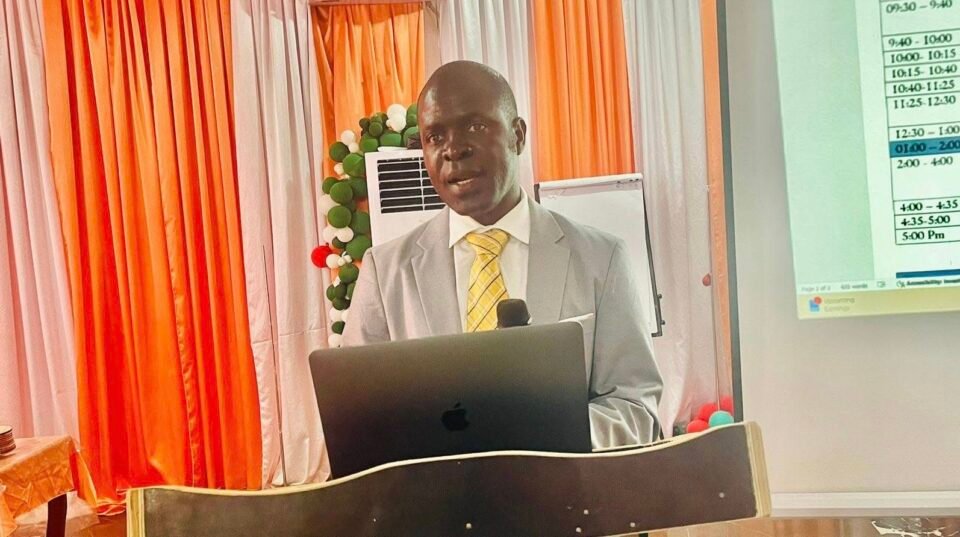
MARGIBI COUNTY – The Executive Director of the Environmental Protection Agency (EPA) of Liberia, Dr. Emmanuel K. Urey Yarkpawolo, has called on stakeholders to remain realistic and focused as the country prepares its updated climate action plan under the Nationally Determined Contributions (NDCs) 3.0.
Speaking at the opening of a two-day NDC Sector Prioritization Workshop in Kakata, Margibi County, Dr. Yarkpawolo reminded participants that although Liberia contributes just 0.03% of global greenhouse gas emissions, it is among the countries most vulnerable to the impacts of climate change.
He emphasized that while Liberia is committed to climate action, its ambitions must align with available resources.
Liberia’s current goal is to reduce emissions by 64% below business-as-usual levels by 2030—a target Dr. Yarkpawolo described as bold and realistic. “A 64% target is already ambitious for a country with limited resources,” he said. “We must not raise this target unless there is a significant increase in financial support from our international partners.”
He highlighted that Liberia has made notable progress under its previous NDCs. A recent stock take showed a 20.47% reduction in greenhouse gas emissions, despite incomplete delivery of the pledged international financial support.
Dr. Yarkpawolo credited this progress to strong national efforts but stressed that future success would require clear priorities and greater financial commitments.
Among his recommendations for NDCs 3.0 were the inclusion of freshwater ecosystems and land rights as new focus areas. He warned that freshwater sources are under increasing threat, particularly from illegal mining activities involving mercury. Protecting these ecosystems, he said, is vital for safeguarding inland water resources.
On land rights, Dr. Yarkpawolo noted that although Liberia has a strong legal framework, more work is needed to ensure its effective implementation.
He also proposed that gender, youth, children, and other vulnerable groups be integrated as cross-cutting priorities in the climate plan, stating that addressing their needs and rights must be central to any climate strategy.
He further recommended including “loss and damage” as a cross-cutting issue, aligning with recent developments in international climate negotiations and the establishment of dedicated funding mechanisms for such impacts.
Dr. Yarkpawolo clarified that the exclusion of some sectors from the NDCs 3.0 framework does not mean they will be neglected. “We will continue working across all sectors,” he said. “But our immediate focus must be on those with the most urgent needs and the greatest potential for impact. As we move forward, additional sectors can be addressed in NDCs 4.0.”
He concluded by thanking participants for their engagement and urged them to consider the findings from the recent stocktake report as they finalize Liberia’s new climate targets.
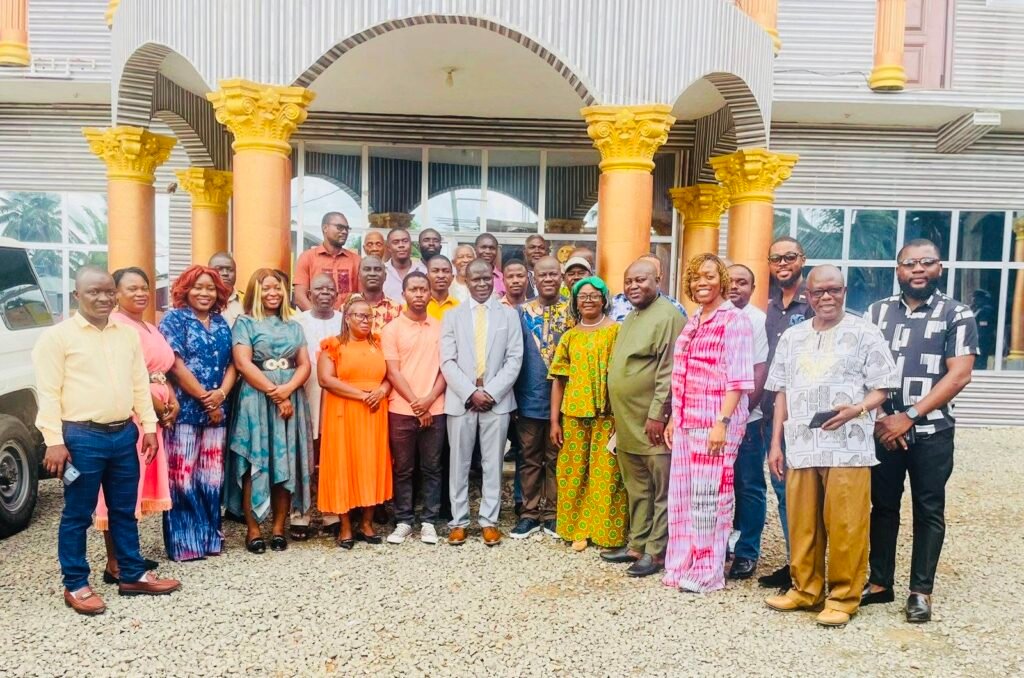
The two-day workshop in Kakata brought together representatives from government agencies, development partners, and the private sector to identify and agree on priority sectors for Liberia’s updated climate commitments. The event is set to conclude on Tuesday, May 27, 2025.
