



By: Trokon Wrepue – trokon1992seokin@gmail.com
GANTA, NIMBA COUNTY – The third edition of the Stakeholders Dialogue on Access to Public Information was successfully held on Monday in Ganta City, bringing together a diverse group of participants from the media, civil society, local authorities, and government institutions.
The dialogue focused on the implementation, challenges, and impact of Liberia’s Freedom of Information (FOI) Law, in a collective push to deepen transparency and accountability across all sectors of society.
The event was organized by the Center for Media Studies and Peacebuilding (CEMESP) in collaboration with Internews, the Independent Information Commission (IIC), and the Liberia Freedom of Information Coalition (LFIC). It was funded by the European Union through the Liberia Media Empowerment Project.
Opening the ceremony, Malcolm Joseph, Executive Director of CEMESP, underscored the importance of sustained engagement on access to information. “This third dialogue builds on our previous conversations and is a critical step in promoting awareness and encouraging compliance with the FOI Law,” Joseph stated, calling for greater collaboration among all stakeholders.
Representing the office of the Mayor of Ganta City, Nathaniel Tokpa welcomed participants and thanked organizers for selecting Ganta as the host city.
He emphasized the pivotal role that access to public information plays in building trust between government and citizens and in promoting good governance at the local level.
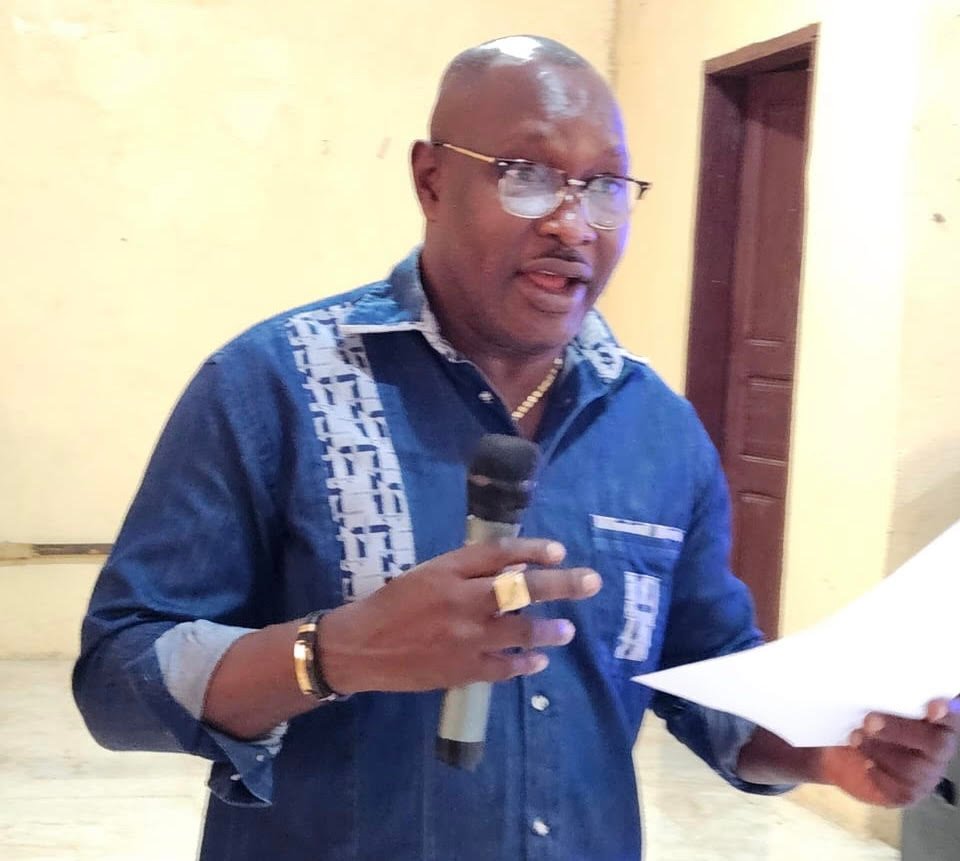
Malcolm Joseph, Executive Director of CEMESP
Special remarks were delivered by Togar Hodges, Chairman of the Independent Information Commission.
While acknowledging the progress made since the FOI Law was enacted, Hodges pointed to persistent challenges in enforcement.
He urged public institutions to embrace transparency as a means of empowerment rather than as a threat. “Access to information is a right that fosters accountability and national development,” he said.
Kennedy Doemah, President of the Nimba County Community Radio Network, highlighted the unique role of community media in rural areas. “Local radio stations serve as bridges between the government and citizens. The FOI Law gives journalists the tools to dig deeper and inform the public meaningfully,” he noted.
Varney Kamara, representing the Liberia Freedom of Information Coalition, reaffirmed the Coalition’s dedication to supporting the media and civil society. He called for continued advocacy and capacity-building to ensure full implementation of the FOI Law across all levels of governance.
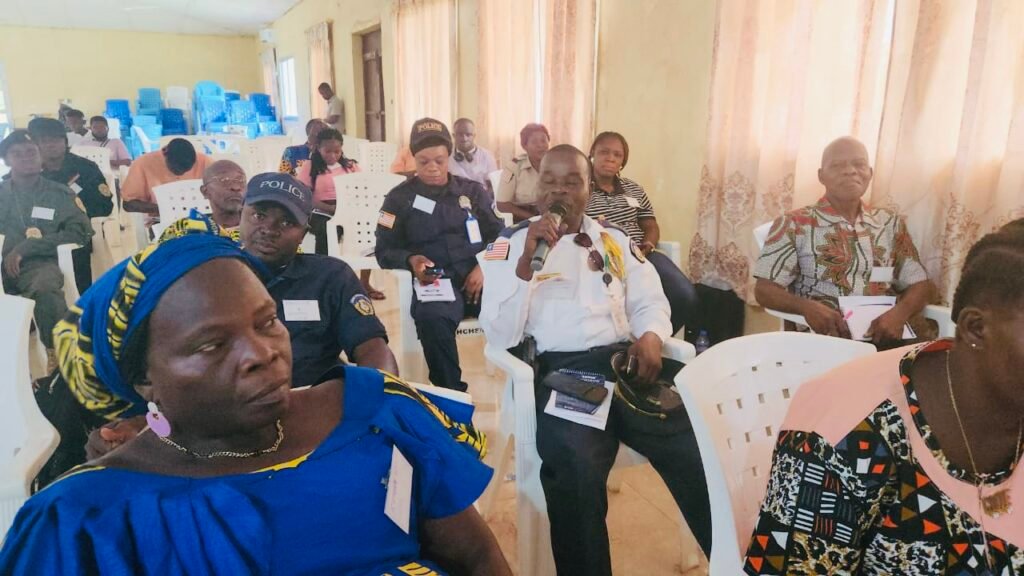
Participants
A key moment of the dialogue was a presentation by Liberia’s Ombudsman, Lamii Kpargoi, who led a session on “Assessing the Impact of Liberia’s FOI Law: Successes and Challenges.” Kpargoi provided a detailed analysis of the law’s achievements and outlined structural barriers impeding its full execution. He emphasized the urgent need for political will and institutional commitment.
Another engaging session was led by Frank Sainworla, Managing Editor of the Public Trust Media Group. His presentation, “The Role of the Media and Civil Society in Promoting Transparency and Accountability Using the FOI Law,” showcased real-life examples of how the law has been used to expose corruption and influence reform. Sainworla encouraged broader use of the law by journalists and civic actors.
The dialogue also featured a technical session by Armah Johnson, Compliance Officer at the Independent Information Commission. He presented an overview of citizens’ rights under the FOI Law and the legal obligations of ministries, agencies, and commissions (MACs).
His guidance focused on how institutions can improve their compliance practices.
The event concluded with a vibrant interactive session, allowing participants to share experiences, raise concerns, and propose practical solutions for strengthening FOI enforcement.
As the dialogue wrapped up, organizers and participants alike reaffirmed their collective commitment to promoting open governance, with a shared vision that every Liberian must be empowered to access information and participate meaningfully in national development.
