


By: James Myking Suah
Grand Kru County – In a move aimed at strengthening local governance and ensuring fair representation, the Kplio citizens of Grand Kru County have formally petitioned the National Legislature for the creation of three additional chiefdoms within their community.
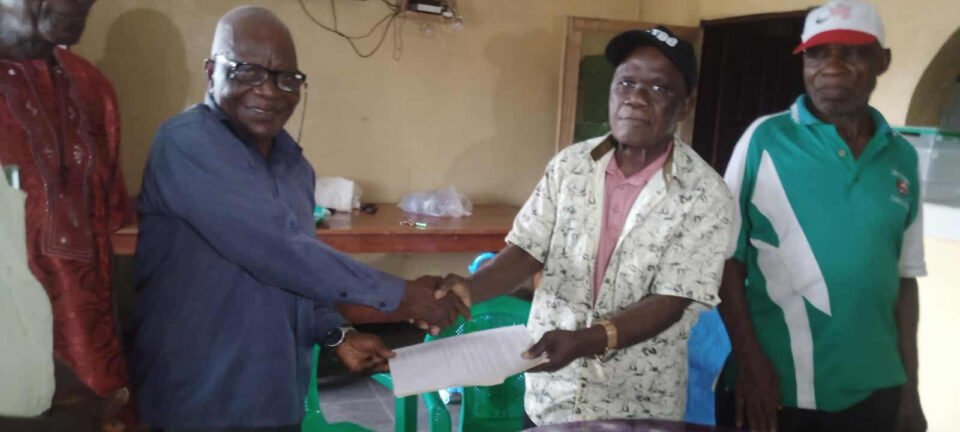
The petition, presented on Monday, October 6, 2025, through Representative Gbadee Nyeswa, was submitted to the Chairperson of the Grand Kru County Legislative Caucus, Senator Numene T. H. Bartekwa, on behalf of the Kplio people.
According to the petitioners, the establishment of the proposed Gbalakpo, Flenneken, and Suehn Marquanken chiefdoms will improve administrative efficiency, strengthen traditional leadership structures, and enhance public service delivery to rural populations that often feel excluded from governance.
The citizens emphasized that the Kplio community has grown significantly over the years, both in population and territorial spread, making the current administrative setup inadequate to address their local development needs.
They argued that creating additional chiefdoms would not only bring governance closer to the people but also foster peace, unity, and social inclusion.
Representative Nyeswa, who presented the petition, lauded the citizens for their peaceful and organized approach in seeking legislative redress, assuring them that their request would receive due consideration by the Grand Kru Legislative Caucus.
Senator Bartekwa, upon receiving the petition, commended the initiative and pledged to work with his colleagues to review the proposal in line with national laws governing traditional administrative structures.
The move by the Kplio citizens is seen as part of a broader effort by local communities across Liberia to decentralize governance, strengthen traditional authority, and ensure equitable representation in county development programs.
If approved by the Legislature, the creation of the new chiefdoms could mark a significant milestone in Grand Kru’s local governance framework—offering residents greater participation in decision-making and more direct access to public services.
