


LOCAL NEWS
GRAND BASSA COUNTY – For years, rural communities in Grand Bassa County were held back by a familiar combination of challenges: poor road networks and limited agricultural support. These barriers slowed trade, restricted mobility, and made it difficult for farmers to improve their livelihoods.
By: Trokon S. Wrepue – trokon1992seokin@gmail.com
Today, however, a noticeable shift is underway—driven by targeted infrastructure investment and agricultural training initiatives led by the Liberian Agricultural Company (LAC).
What was once a story of isolation is gradually becoming one of access, opportunity, and economic renewal.
A Road That Changed Everything
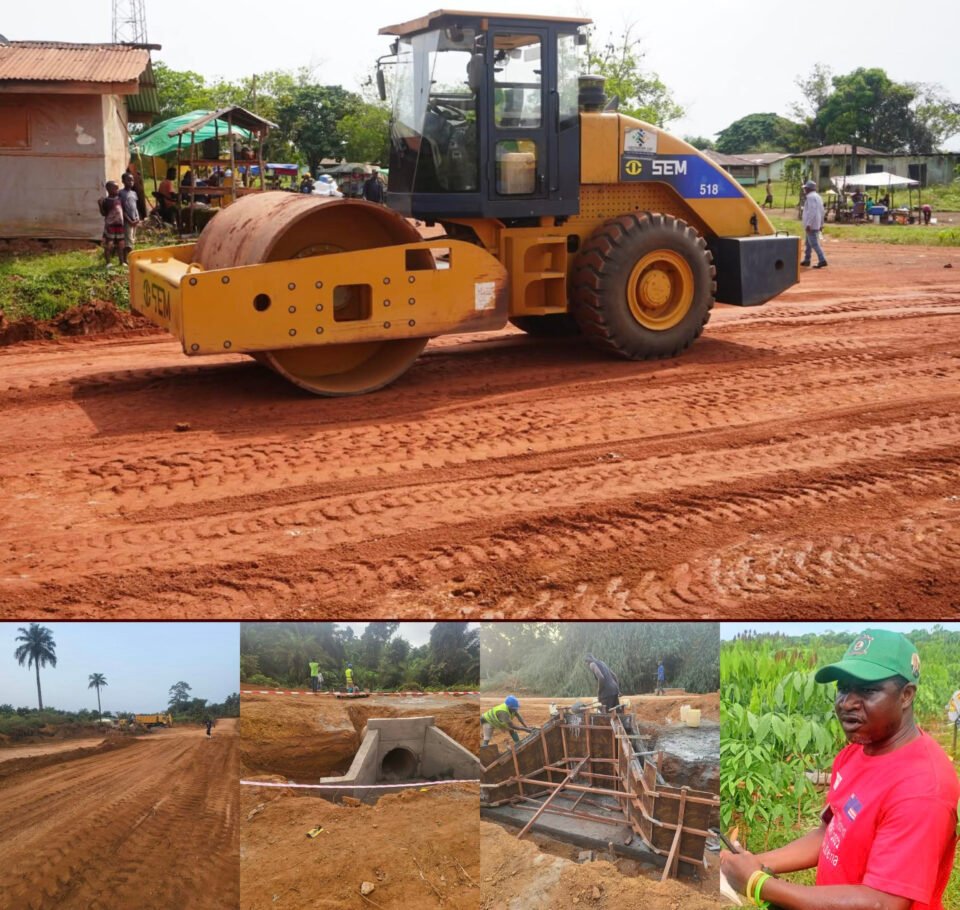
At the heart of this transformation lies a critical 38-kilometer road linking Buchanan to LAC’s operational base at Compound 3. Previously, this route was notorious for flooding, erosion, and near-total inaccessibility during the rainy season. Travel could take hours—or even force travelers to stop entirely.
That reality began to change in 2024, when LAC launched its Sustainable Road Repair Strategy. Rather than patching problem areas, the company undertook a full rehabilitation of the road’s structure.
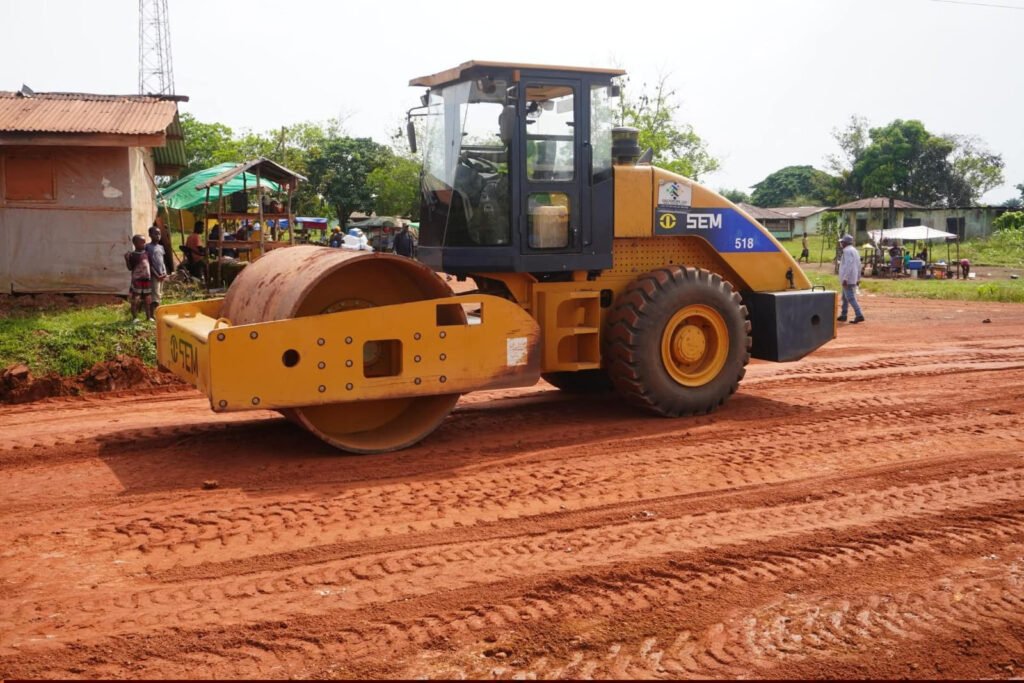
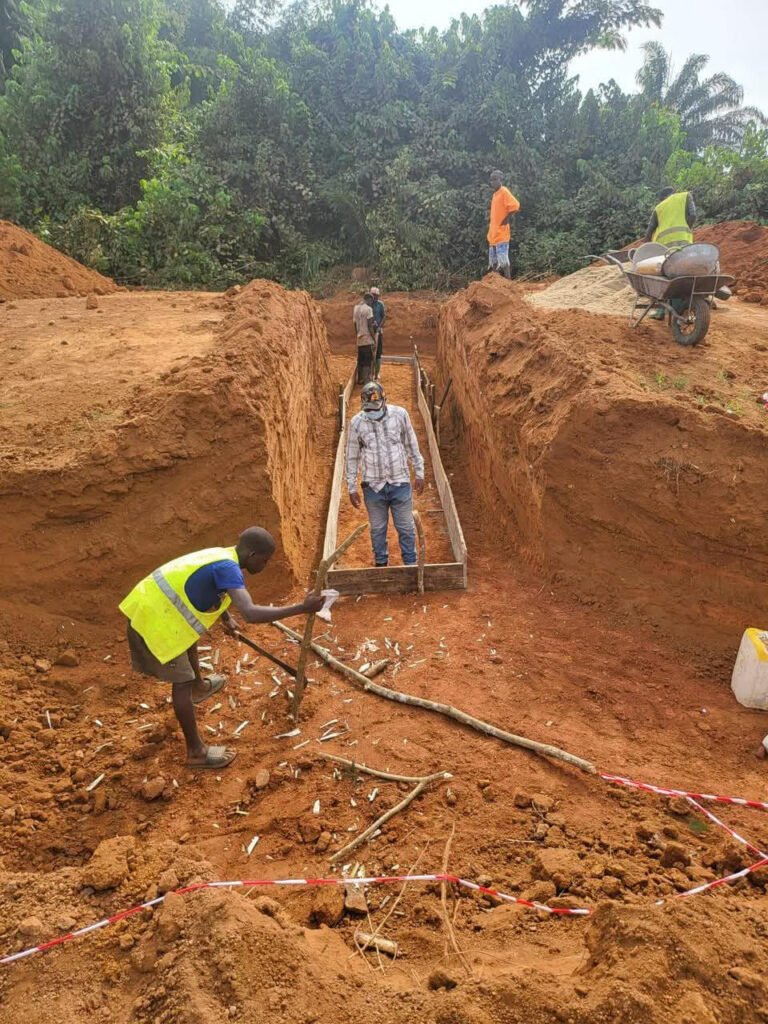
According to Deepak Divaran, LAC’s Local Rubber Purchase and Road Maintenance Manager, the work included repairing or replacing more than 50 aging culverts and installing reinforced drainage systems.
These upgrades were designed not just for short-term relief, but for long-term durability and year-round use.
The impact has been immediate: travel is faster, transport is safer, and communities that were once cut off are now reconnected.
Expanding Access Beyond the Main Route
In 2025, the initiative grew through collaboration with the Rubber Development Fund Incorporated (RDFI).
This partnership extended rehabilitation efforts toward the St. John Highway, bringing additional communities back into the regional network.
Areas such as Jentro Hill and Saturdays Town have benefited from slope stabilization, new culverts, and safer diversions—further improving mobility and resilience against harsh weather conditions.
Daily Life, Reimagined
For those who depend on the road every day, the difference is striking.
Motorcyclists—who form the backbone of rural transport—describe a complete turnaround. What once meant navigating mud, breakdowns, and delays now allows for smoother, faster, and safer trips.
Commercial rider Samuel K. Doe recalled how the road used to dictate his entire day, especially during the rainy season. Now, he can transport passengers efficiently and reliably.
Others, like Peter N. Zleh, say the improvements have directly increased their income. With fewer breakdowns and more trips possible in a single day, business has become more sustainable.
Safety has also improved. Emmanuel Tarr noted that accidents caused by deep potholes and flooding were once common. With the road now stabilized, riders feel more secure—even at night, as James Bedell emphasized.
Truck drivers transporting goods share similar experiences. Delays that once lasted days have been eliminated, and operating costs—especially fuel and repairs—have dropped significantly. For many, this has translated into more consistent business and higher earnings.
Farming Knowledge Takes Root
While better roads have improved access, LAC’s agricultural training programs are helping farmers make the most of new opportunities.
In Wesseh Town, residents are gaining practical knowledge about rubber production—learning techniques that improve both yield and sustainability.
However, participation has been affected by timing, as some farmers missed training sessions due to overlapping farming activities.
Oreath Jones, a top trainee in the tapping program, expressed appreciation for the initiative but emphasized the need for additional sessions to reach more farmers.
Farmers are also calling for essential tools and materials, noting that limited equipment continues to hinder productivity.
Still, the knowledge gained is already making a difference. Moses Paygar explained that farmers now better understand how to care for rubber trees and improve product quality—marking a shift from traditional methods to more informed practices.
Linking Infrastructure to Development
Local leaders see a direct connection between road access and broader community progress.
Josiah G. Jacobs, a town leader, pointed out that areas once unreachable since 2018 are now accessible by vehicle. Journeys that previously took over an hour can now be completed in minutes.
He also highlighted a deeper change: farmers are becoming more conscious of sustainable practices, ensuring their farms remain productive for future generations.
Building a Sustainable System
LAC’s broader strategy combines infrastructure, farmer education, and market access into a single model aimed at long-term sustainability.
Extension workers regularly engage with farmers, monitoring compliance with environmental and labor standards while offering guidance.
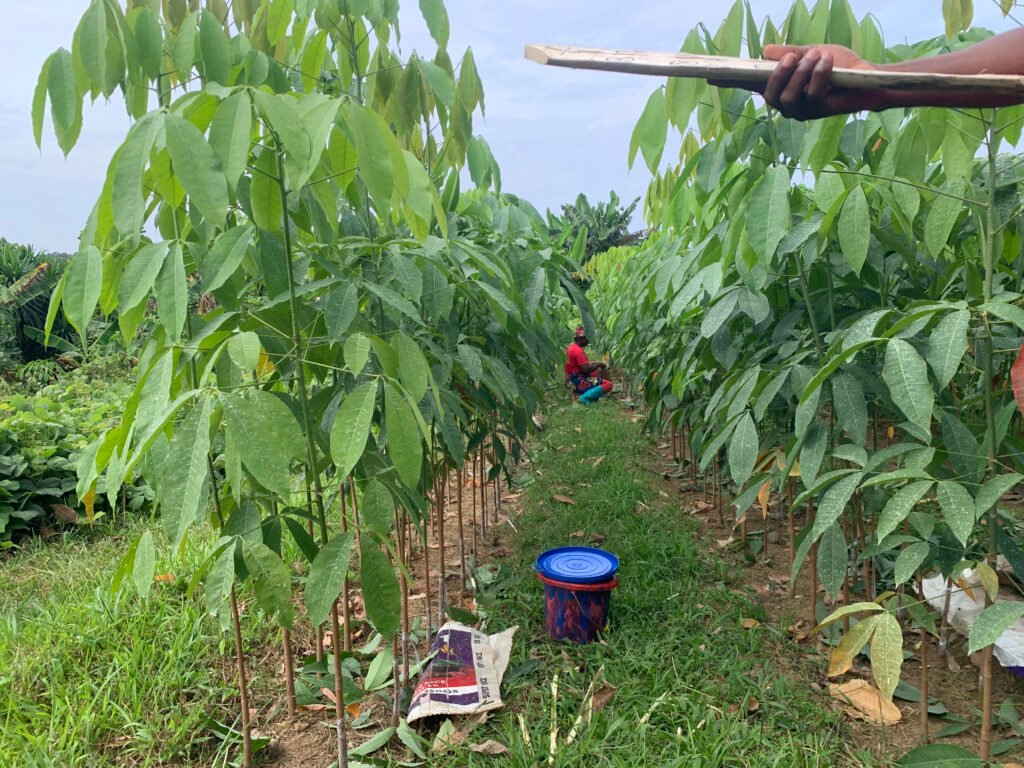
Farmers are currently preparing their rubber trees for production, with harvesting expected to begin by the end of May.
To ease financial barriers, LAC provides farming materials on credit, allowing farmers to repay costs through future sales.
Additionally, the company is distributing around 140,000 improved rubber plants to smallholders this year.
Looking ahead, farmers are requesting more advanced training—particularly in techniques like bud grafting—which LAC plans to introduce through cooperative groups.
A Ripple Effect Across the Region
According to District Superintendent Morris Neasain, these combined efforts are reshaping the local economy.
He described the road improvements as essential, noting that LAC has maintained the route despite it not being part of its concession obligations—an act he views as responsible corporate citizenship.
The economic impact is evident. Increased mobility has strengthened trade, and rubber farming is generating significant income for residents, with some farmers earning between $500 and $2,000 monthly.
Neasain emphasized that LAC’s approach goes beyond profit, focusing on long-term investment in people and community development.
Progress with Room to Grow
Despite these gains, residents agree that continued support is necessary. More training, better equipment, and sustained investment will be key to building on current progress.
Still, the change already underway is undeniable. Improved roads have reconnected communities, and better farming practices are taking hold.
For the people of Grand Bassa, the transformation is not yet complete—but for the first time in many years, the path forward is open, and the possibilities are expanding.
