


NATIONAL NEWS
MONROVIA – The Ministry of Finance and Development Planning, in collaboration with development partners, has launched a major initiative to ring-fence rural county allotments as part of a nationwide effort to accelerate Liberia’s fiscal decentralization program and shift financial power closer to local communities.
By: Trokon S. Wrepue – trokon1992seokin@gmail.com
The initiative, unveiled during the opening of a high-level sector meeting on fiscal decentralization, budget disaggregation, and fiscal rules in Cestos City, Rivercess County, is expected to strengthen local governance, improve accountability in public financial management, and drive equitable development across Liberia’s counties.
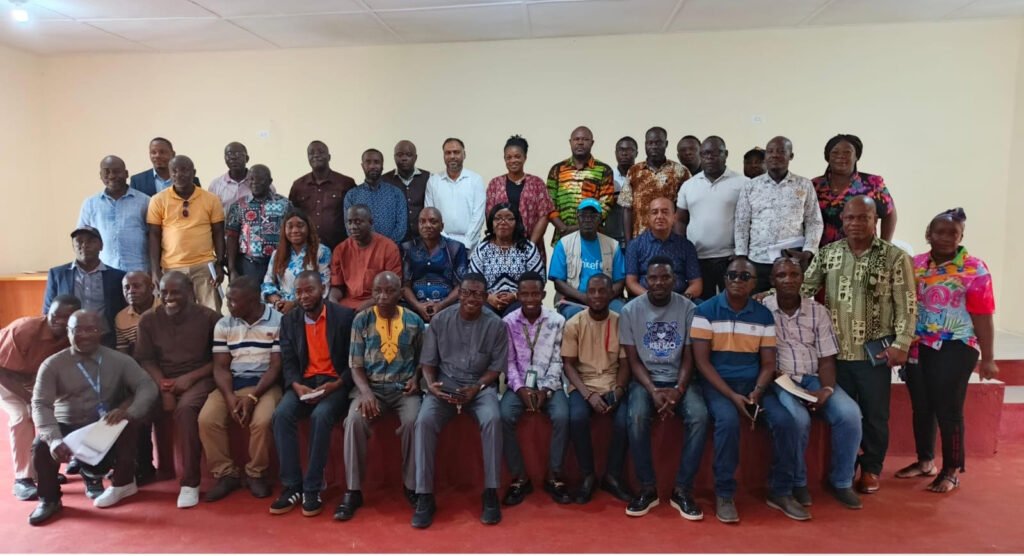
The week-long gathering brought together county officials, government spending entities, development partners, and international organizations, including UNICEF.
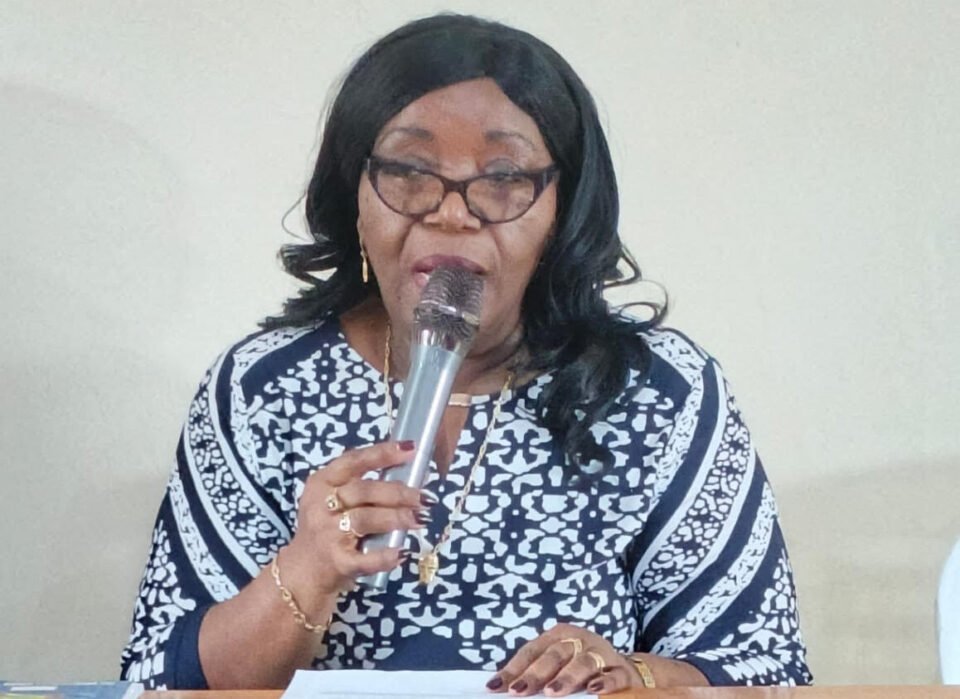
Speaking at the opening session, Deputy Finance Minister for Budget and Development Planning, Tenneh G. Brunson, said the initiative forms part of President Joseph Nyuma Boakai’s broader agenda to decentralize governance and improve access to government services in rural Liberia.
Minister Brunson acknowledged that Liberia’s public financial management system has historically been centralized in Monrovia, a situation she said has contributed to uneven development and limited opportunities in rural communities.
She referenced President Boakai’s July 4, 2024 directive mandating all government spending entities to operationalize signatories and budget disaggregation at the county level, describing the move as “transformational.”
“This is not optional,” Brunson declared. “All spending entities are expected to operate through county treasury structures in line with the Revenue Sharing Laws, related regulations, and the national fiscal decentralization policy to ensure accountability, transparency, and efficiency in public financial management.”
According to the Deputy Finance Minister, the government has already made significant investments in capacity-building efforts, including specialized fiscal decentralization and financial management training for 19 technicians and county leaders at the University of Ibadan in Nigeria.
“Fiscal decentralization is not merely a policy shift, it is a national development strategy that will improve service delivery, strengthen accountability and transparency, stimulate local economies, and promote inclusive growth across all counties,” she stated.
Brunson also emphasized the importance of participatory governance, urging greater citizen involvement in county budgeting and expenditure decisions.
“Liberia belongs to all of us, not only those in Monrovia,” she noted. “We must build systems that encourage participatory engagement in budgeting and expenditure processes at every level.”
Meanwhile, Director for Fiscal Decentralization at the MFDP, Romeo D.N. Gbartea, challenged long-standing perceptions that county institutions lack the capacity to effectively manage public resources.
“Whenever we talk about decentralization, some people claim those in the counties do not have the capacity. That is an illusion,” Dr. Gbartea told participants. “The people in the counties are educated, qualified, and capable of managing public resources.”
He disclosed that the government has already coded budget activities by county to improve expenditure tracking and ensure equitable allocation of national resources.
“If you open the budget book, every activity is assigned a county code,” he explained. “At the end of the budget period, we will know exactly how much was spent in every county.”
Under the new arrangement, government spending entities will now process financial transactions directly through county treasury offices instead of traveling to Monrovia for approvals and signatures.
“Everything will now be done in the counties,” Dr. Gbartea emphasized. “We have internal auditors, budget officers, financial management officers, and even check-printing machines in the county treasuries.”
He said the reforms would reduce unnecessary spending on travel and daily subsistence allowances while empowering county institutions to operate more independently and efficiently.
Dr. Gbartea also praised the Ministry of Health for establishing what he described as a strong decentralization structure through county health teams and urged other government institutions to replicate the model.
“Don’t undermine yourselves,” he told county officials. “You have bachelor’s degrees, master’s degrees, and diplomas. Nobody should tell you that you lack capacity.”
He further stressed that compliance with the decentralization policy would be mandatory for all spending entities, while assuring participants that ongoing technical support and training programs would continue.
Also speaking at the meeting, Amadou Cisse, Deputy Country Representative of UNICEF Liberia, reaffirmed the organization’s support for Liberia’s decentralization agenda.
“This is an integral part of UNICEF’s commitment to supporting decentralization in Liberia,” Dr. Cisse stated. “We are more than happy to support this initiative and strengthen the commitment we share together.”
The next phase of the fiscal decentralization and budget disaggregation meetings is expected to continue in Buchanan, Grand Bassa County, before moving to Kakata, Gbarnga, and Sanniquellie as the government intensifies efforts to roll out the reforms nationwide.
