


NATIONAL NEWS
MONROVIA – The opposition Citizens Movement for Change (CMC) has rejected a proposed opposition coalition process initiated by former President George Manneh Weah, dealing a potential setback to efforts by opposition political leaders to forge a united front ahead of Liberia’s 2029 general elections.
By: Trokon S. Wrepue – trokon1992seokin@gmail.com
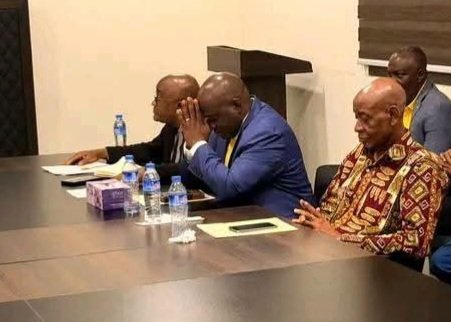
Former President Weah recently invited key opposition figures, including CMC Political Leader Musa Hassan Bility, to a roundtable aimed at discussing opposition unity and exploring possible political cooperation ahead of the 2029 elections, with the broader objective of challenging President Joseph Nyuma Boakai’s Unity Party administration at the polls.
But following the September 6, 2026 Opposition Political Leaders Forum and subsequent consultations, the CMC says it will not endorse the draft communique or continue participating in the coalition process in its current form.
The party said its National Executive Committee, National Advisory Council and Diaspora Leadership reviewed the proposed arrangement and overwhelmingly concluded that it does not sufficiently reflect the political objectives for which the CMC was established.
The decision introduces a new complication into opposition efforts to consolidate political forces ahead of 2029, particularly as opposition parties face the question of whether defeating the governing Unity Party should take precedence over differences in political philosophy and proposed reforms.
CMC Political Leader Musa Hassan Bility said the party did not enter politics simply to replace one administration with another, arguing that Liberians should be offered what he described as a genuine “Third Lane.”
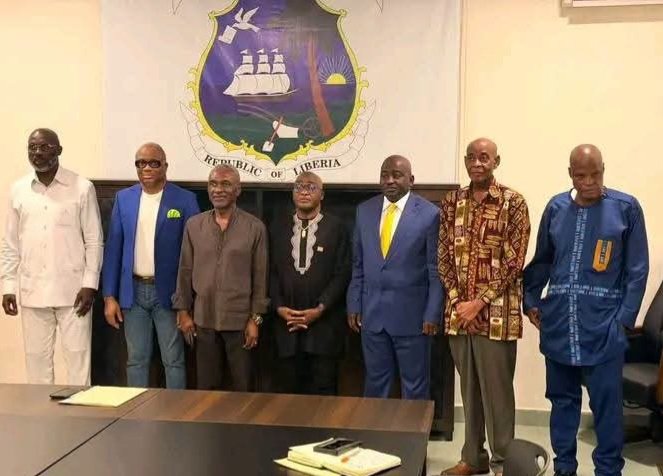
CMC Leader Bility and Other Opposition Leaders
According to Bility, the CMC wants any future political arrangement to be built around fundamental changes to Liberia’s constitutional, legal and institutional systems.
“Liberians should not be asked to choose only between continuing the present order and returning to the immediate past. Our country deserves a new option built around a new governing system and a serious program of national reform,” Bility said.
The CMC said it supports cooperation among opposition parties on issues including electoral integrity, the rule of law and public accountability, but insists that a broader electoral coalition must first establish a clearly defined national program.
The party said any future alliance involving the CMC would have to respect the independence of participating parties, treat them as equals and make major decisions through transparent consultation and consensus.
The party, however, stopped short of closing the door on future cooperation with Weah or other opposition leaders. Instead, it said it will continue consultations with citizens, civil society organizations, community leaders and political parties as it assesses whether Liberians are prepared to support a political alternative that differs from both the current administration and the immediate political past.
The CMC stressed that its decision was an institutional one and should not be interpreted as a personal attack on former President Weah or any political leader involved in the September 6 forum.
The development nevertheless raises questions about whether Liberia’s opposition can overcome competing political interests and ideological differences to build a common platform before the 2029 elections.
While some opposition leaders are exploring greater unity around a common electoral strategy, the CMC says political unity without an agreed reform agenda would fail to address what it considers the deeper structural problems facing Liberia.
For now, the CMC says it will pursue its own “Third Lane” agenda while remaining open to cooperation on issues of national interest.
The party maintains that any eventual political partnership must go beyond the objective of defeating the Unity Party and instead present Liberians with a clearly defined alternative system of governance.
