


Gbarpolu County senator warns that port congestion, limited terminal space and delayed dredging are slowing imports as Liberia approaches its critical Christmas trading season
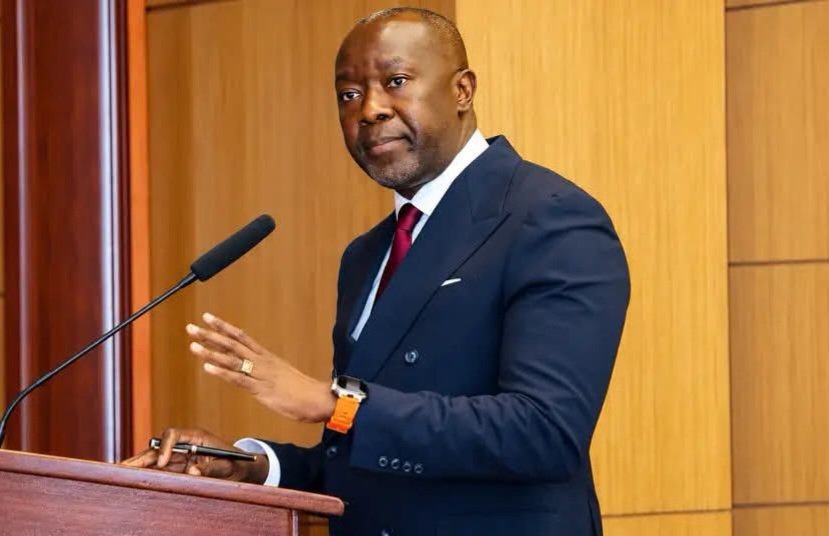
MONROVIA – Senator Amara Konneh of Gbarpolu County has called for increased Senate oversight of Liberia’s economy, warning that prolonged delays in clearing shipping containers at the Freeport of Monrovia could undermine businesses and prevent goods from reaching the market ahead of the Christmas season.
By: Trokon S. Wrepue – trokon1992seokin@gmail.com
Speaking during Tuesday’s plenary session of the Liberian Senate on Capitol Hill, Konneh said that although the country’s economic indicators appear strong, the benefits are not being adequately felt by businesses and ordinary Liberians.
He told fellow lawmakers that shipping containers are reportedly taking between 60 and 90 days to move through the port system, raising concerns about the availability of imported goods during one of Liberia’s busiest commercial periods.
The senator said he had consulted the relevant stakeholders, including the port community, the brokers’ union, business associations and the Liberia Revenue Authority (LRA), before submitting his communication to the Senate.
According to Konneh, the LRA acknowledged the delays and informed him that containers were currently taking between two and three months to move through the system.
He warned that the situation required urgent attention as Liberia approaches Christmas, a period when businesses typically experience increased demand for imported merchandise and consumer goods.
Port Congestion Threatens Christmas Trade
Konneh identified the Christmas season and the period surrounding July 26 celebrations as two major economic periods in Liberia, when businesses depend heavily on the timely arrival of imported goods.
With Christmas approaching, he expressed concern that prolonged container delays could leave importers struggling to obtain merchandise in time to meet consumer demand.
The senator said the problem extends beyond shipping schedules, potentially affecting businesses that depend on imported products to sustain their operations and generate revenue.
He argued that the Senate must look beyond headline economic figures and examine the practical challenges facing traders, importers and other participants in the economy.
Although he acknowledged that port congestion is not unique to Liberia, Konneh said information available to him suggested that the Freeport of Monrovia was performing poorly compared with other ports on the continent.
His remarks were intended to draw lawmakers’ attention to what he described as a pressing economic challenge requiring a coordinated response from the relevant government institutions and port authorities.
Limited terminal space blamed for container backlog
The Gbarpolu County senator identified inadequate yard space at the port as one of the principal reasons containers are taking so long to move through the system.
According to Konneh, limited space at the APM Terminals facility and issues involving the National Port Authority (NPA) have contributed to the congestion.
He explained that insufficient space to accommodate incoming containers creates a bottleneck, making it difficult to move existing containers out of the terminal and create room for new shipments.
The resulting congestion can slow the movement of goods through the port, leaving importers waiting longer for their consignments.
Konneh called for a deeper examination of the circumstances behind the backlog, stressing that lawmakers need to understand why containers remain at the port for extended periods and what measures could be taken to improve efficiency.
He maintained that the problem requires more than acknowledging the delays, urging the Senate to strengthen oversight of the institutions responsible for managing port operations and facilitating the movement of imported goods.
Delayed dredging affecting access for larger vessels
Konneh also pointed to delays in dredging the port as another factor contributing to the difficulties facing shipping companies and importers.
He explained that larger vessels transporting containers from China and other international markets cannot enter the port as expected because of limitations affecting access for deep-draft ships.
According to his account, some vessels instead offload containers at another deep-sea port in the region before waiting for smaller vessels to transport the goods to Liberia.
The senator said this arrangement adds another stage to the transportation process, potentially contributing to delays in getting imported goods into the country.
The situation, he suggested, highlights the importance of port infrastructure and adequate maritime access to Liberia’s trade and economic activities.
Addressing the dredging issue, alongside the shortage of terminal space, would be an important part of efforts to reduce congestion and improve the movement of containers through the Freeport of Monrovia.
Senate urged to look beyond economic indicators
Konneh’s intervention centered on the need for lawmakers to increase their oversight of the national economy and investigate the factors preventing reported economic progress from translating into tangible benefits for businesses and citizens.
He argued that the Senate should examine the operational challenges affecting trade, particularly where delays at critical infrastructure facilities could disrupt commercial activity.
The senator’s concerns come as importers and businesses prepare for the Christmas trading season, when the timely delivery of merchandise can be particularly important to sales and profitability.
For businesses that depend on imported goods, prolonged delays can complicate inventory planning and create uncertainty over when products will become available for sale.
However, the financial impact of the reported delays, including any additional costs passed on to businesses or consumers, was not quantified in the senator’s remarks.
Call for answers and stronger economic oversight
Konneh’s statement places renewed attention on the performance of Liberia’s principal seaport and the role of port infrastructure in supporting the country’s economy.
His concerns raise questions about the adequacy of container storage capacity, the progress of dredging works and the coordination required to move shipments efficiently through the port.
The senator called for a deeper examination of these issues, emphasizing that lawmakers must understand the causes of the delays and consider measures to address them.
As Liberia approaches the Christmas season, the ability of the Freeport of Monrovia to accommodate incoming shipments and move containers efficiently remains central to the concerns he raised.
For Konneh, strong economic figures alone are insufficient if businesses and citizens are unable to feel the benefits. He is urging the Senate to pay closer attention to the practical challenges affecting trade and take a more active role in overseeing the institutions responsible for facilitating economic activity.
