


NATIONAL NEWS
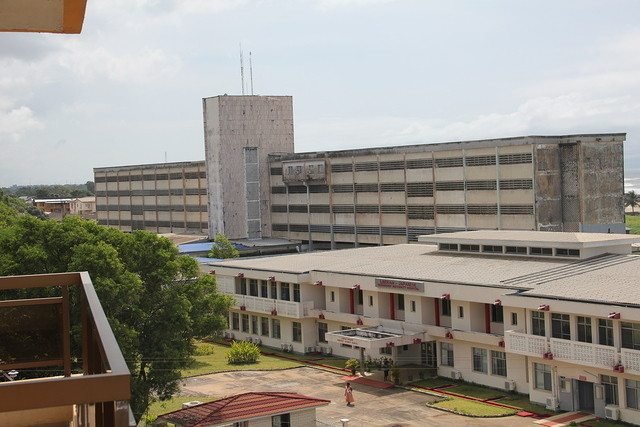
MONROVIA – The Environmental Protection Agency (EPA) says it is working to secure funding for a coastal revetment project aimed at protecting the John F. Kennedy (JFK) Medical Center and nearby communities along Monrovia’s coastline from severe coastal erosion.
By: Trokon S. Wrepue – trokon1992seokin@gmail.com
To prevent the hospital and surrounding areas from being threatened by advancing sea erosion, the EPA has developed a US$17.5 million proposal to construct a coastal defense wall stretching from the rear of the JFK Medical Center along the Atlantic coastline to Bernard’s Beach in Congo Town, near the former headquarters of the Congress for Democratic Change (CDC).
“For now, we have developed a US$17.5 million proposal to build a coastal wall from behind the John F. Kennedy Medical Center all the way to Bernard’s Beach to protect those communities,” EPA Executive Director Dr. Emmanuel Urey Yarkpawolo said.
Speaking in an interview with Liberia Excellent News Network (LENN), Dr. Yarkpawolo said the Government of Liberia must take urgent action to protect vulnerable coastal communities in Monrovia, many of which face increasing threats from rising sea levels and coastal erosion.
Speaking in an interview, he acknowledged the country’s financial constraints but stressed that Liberia must take bold steps to address the growing environmental crisis.
He cited the EPA’s ongoing coastal revetment project in Greenville, Sinoe County, which is designed to protect the historic Mississippi Street from destructive ocean waves.
Monrovia Built on Wetlands
Dr. Yarkpawolo also warned that Monrovia’s environmental challenges extend beyond coastal erosion, noting that much of the capital is built on wetlands that are increasingly being encroached upon through illegal land reclamation.
Despite government efforts to protect the city, he said many waterways have been illegally blocked, contributing to frequent flooding and worsening erosion.
“We are carrying out targeted demolitions. Monrovia sits on a wetland. If you look at the map, Sinkor is almost like an island between the Mesurado River and the Atlantic Ocean. People continue to fill in the wetlands, and that is not good for Liberia,” he said.
The EPA Executive Director condemned the continued reclamation of wetlands by residents, particularly in informal settlements, saying the practice is creating serious environmental and public safety risks.
He noted that overcrowded communities in the Monrovia Industrial Park, Vai Town, and the LPRC area are among the hardest hit by recurrent flooding, which often destroys property and disrupts the movement of people and vehicles.
Urban Migration Worsening Environmental Pressure
Dr. Yarkpawolo further attributed Monrovia’s growing environmental challenges to rapid urban migration since the 1980s, particularly following Liberia’s 14-year civil conflict.
He said the city’s population has expanded significantly, placing enormous pressure on infrastructure and the environment.
“Years of migration into Monrovia since the 1980s have become one of our biggest challenges. In Doe Community and many other areas, people have continued filling in wetlands. When you continue to reclaim low-lying land, these are the consequences you face,” he said.
According to the EPA Executive Director, more than one million people currently reside in Monrovia, making the capital increasingly congested.
While acknowledging that the government is implementing measures to address some of these challenges, Dr. Yarkpawolo emphasized that residents also have a responsibility to protect the city’s environment by preserving wetlands and ensuring proper drainage systems remain unobstructed.
