


NATIONAL NEWS
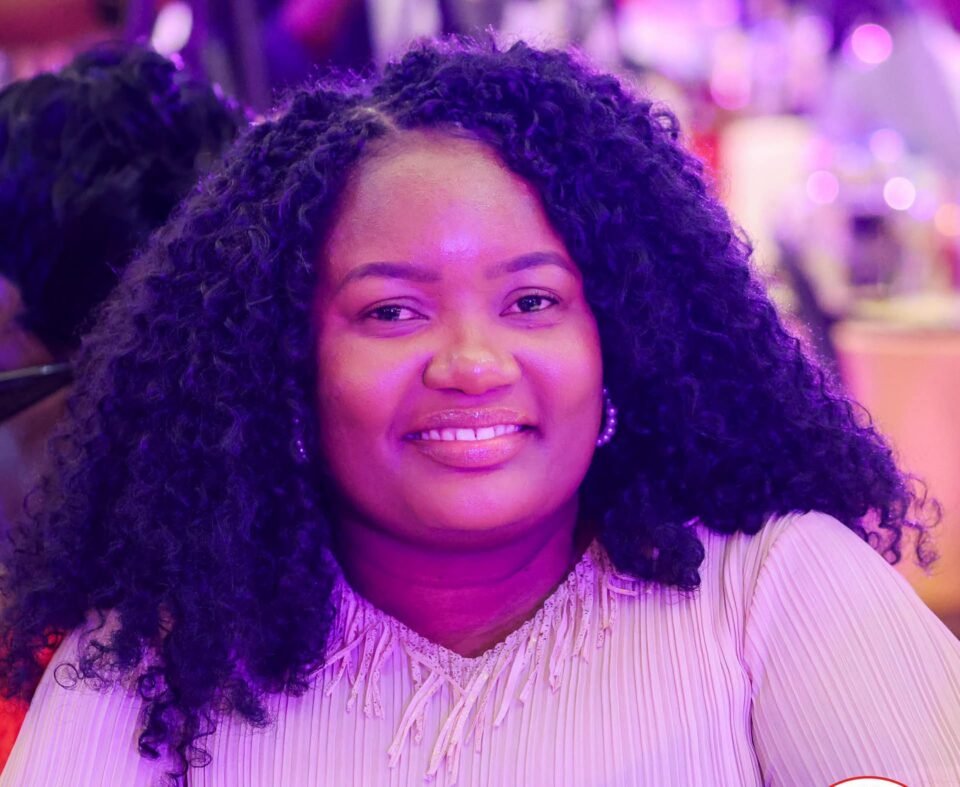
MONROVIA – The President of the Female Journalists Association of Liberia (FeJAL), Lisa Tenneh Diasay, has challenged President Joseph Nyuma Boakai to match his administration’s rhetoric on inclusive development with measurable action, warning that the recent decline in women’s representation in the Cabinet sends a troubling signal about the place of women in national decision-making.
By: Trokon S. Wrepue – trokon1992seokin@gmail.com
Speaking at the Second Presidential Media Dinner at the EJS Ministerial Complex in Congo Town on September 12, Diasay said women journalists were watching the composition of President Boakai’s Cabinet closely because, in her words, “inclusion is not a sentiment. It is a count.”
Diasay noted that earlier this month, women occupied nine of the 19 Cabinet-level positions, which she described as the highest level of female representation ever recorded in the country’s Cabinet.
However, she said that figure dropped to seven following the removal of the Ministers of National Defense and Commerce, both of whom are women and are expected to be reassigned to other government positions.
While acknowledging President Boakai’s constitutional authority to reorganize his government, the FeJAL president urged him to ensure that the two women continue to occupy positions where their expertise can influence national policy.
She also called on the President to ensure that women are considered from the beginning of future appointments rather than being added as an afterthought.
Diasay delivered one of the evening’s sharpest messages when she warned that the reduction of women at the Cabinet table has implications beyond government statistics. “When a woman leaves that table, a girl in Grand Bassa loses a picture of what she is permitted to become,” she said, emphasizing the symbolic importance of women occupying senior positions of authority.
Her remarks come amid renewed debate over gender representation in the Boakai administration, particularly following the President’s latest reshuffle that saw two prominent women ministers removed from their previous portfolios and replaced by men.
Although the affected ministers are reportedly expected to receive new assignments, Diasay’s intervention suggests that reassignment alone may not fully address concerns about women’s access to the most influential policy-making positions.
FeJAL Raises Questions Over Women’s Voice in the Media
Diasay also turned her attention to the media industry, arguing that women are not absent from journalism but remain underrepresented in the spaces where major national conversations take place.
She challenged President Boakai to examine the composition of media delegations that travel with him, who is selected to ask questions during presidential briefings and which journalists receive opportunities for exclusive interviews with senior government officials.
“The women of this press and media are not missing from the profession. We are missing from the rooms where the questions get asked and the answers get given,” Diasay declared.
She argued that giving women journalists greater access to presidential briefings and senior government officials would broaden the issues being raised with government, particularly around markets, healthcare and education.
According to Diasay, women journalists often bring perspectives rooted in communities and everyday public concerns that may otherwise receive inadequate attention in national reporting.
Diasay Calls for Investment Beyond Monrovia
The FeJAL president further challenged the government to address the economic and logistical barriers preventing journalists from effectively reporting from Liberia’s counties.
She pointed to the high cost of keeping a reporter in places such as Barclayville for an entire month, arguing that inadequate infrastructure and connectivity are major reasons why national reporting remains heavily concentrated in Monrovia.
Diasay called for the removal of duties on broadcast and internet equipment and urged the government to improve connectivity for county-based media bureaus.
She argued that such investments would allow journalists to remain closer to the communities where government projects are being implemented and provide citizens with independent information about roads, clinics, schools and other development initiatives.
“Inclusive development that nobody can verify is only an announcement,” she warned, calling on the government to provide journalists with both the “count” and the “reach” needed to independently assess and report on its development agenda.
Pushes Independent Journalism Fund
Diasay’s final appeal focused on the worsening economic conditions facing Liberia’s media sector, particularly amid declining donor support.
She proposed the creation of an Independent Public Interest Journalism Fund to provide sustainable support for journalism that serves the public interest.
However, she stressed that such a fund must be independently and transparently managed and protected from political interference.
The proposal places renewed pressure on the Boakai administration to move beyond recognition of the media’s role in democracy and develop concrete mechanisms for strengthening the financial and operational sustainability of the sector.
Her call also aligns with broader concerns raised by Press Union of Liberia President Julius Kanubah at the same dinner, who proposed a Liberia Media Governance and Sustainability Act to establish a national framework for supporting independent and professional journalism.
Taken together, the two interventions put the Boakai administration under growing pressure to demonstrate that its commitment to inclusion, press freedom and democratic accountability extends beyond official speeches.
For FeJAL, the measure of inclusive development is ultimately straightforward: more women at the decision-making table, greater access for women journalists, stronger media presence outside Monrovia and sustainable financing for independent public-interest journalism.
And Diasay left the administration with a clear message: give the public the numbers, give journalists the access, and allow the media to independently verify whether the ARREST Agenda is truly reaching the people.
