


By: Sampson W Weah – sampsonwweah7@gmail.com
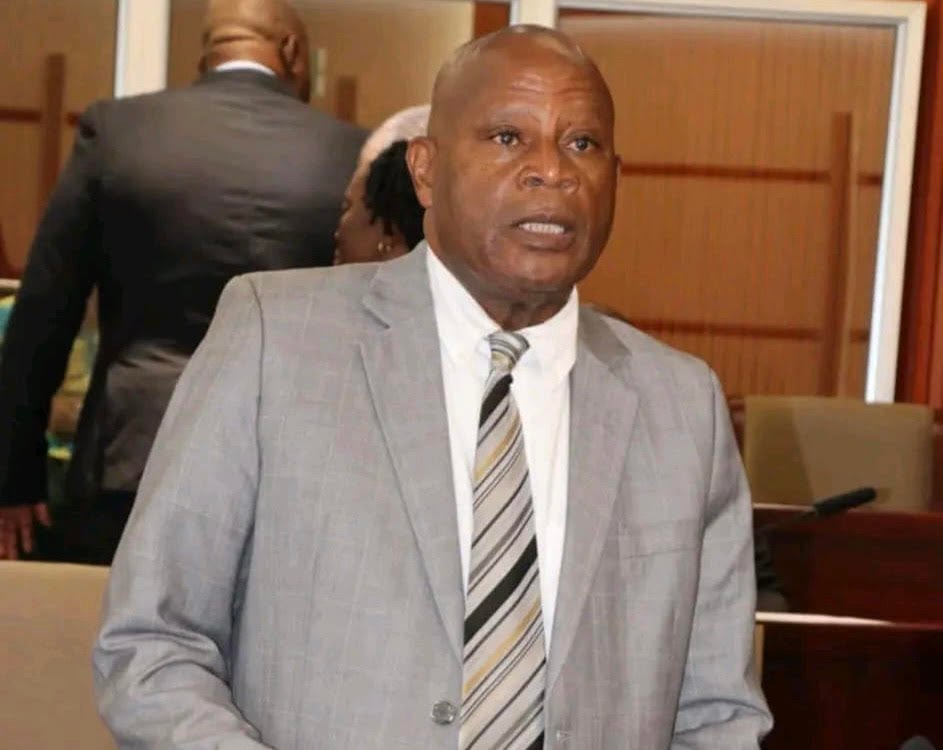
Capitol Hill – Sinoe County Senator Augustine Chea has strongly dismissed claims by the House of Representatives’ “Rule of Law Caucus” questioning the Senate’s constitutional authority to recommend how petroleum storage fees collected by the Liberia Petroleum Refining Company (LPRC) should be used.
At a press conference Thursday, the caucus argued that the Senate overstepped its bounds by investigating LPRC’s petroleum pricing structure and suggesting that a portion of the storage fees be allocated to national priorities, including county road equipment and feeder road maintenance.
Responding, Senator Chea described the caucus’ position as “misleading and constitutionally flawed,” emphasizing that the Senate’s recommendations were purely advisory and not an act of appropriation.
“Recommending that a portion of petroleum storage fees be used for county road equipment and feeder roads is a policy recommendation, not appropriation. It is advisory, not executive,” Chea clarified.
He stressed that the power to make appropriations is a joint function of both chambers of the Legislature.
The Senate has not encroached on this authority, Chea said, because the Executive formulates the budget, incorporates recommendations, and submits it for legislative approval.
“It is only when the budget is passed by the Legislature that the Government can legally spend the money. Why some of our colleagues on the other side do not understand that is baffling,” he added.
On the caucus’ claim that LPRC’s storage fees amount to taxation, Chea countered that this reflects a misreading of the Revenue Code.
Fees charged by public corporations or government agencies for services are payments for services rendered, not taxes.
He further noted that while LPRC may collect such fees directly, the Liberia Revenue Authority (LRA) can also collect them if legally mandated.
“Even though these fees are not taxes under the Code, the law allows them to be collected using tax procedures, and persons responsible may be treated like taxpayers,” Chea emphasized.
