


By: Trokon Wrepue – trokon1992seokin@gmail.com
Monrovia – At long last, the office of World and Economic Crimes Court says the court will become fully functional by 2027.
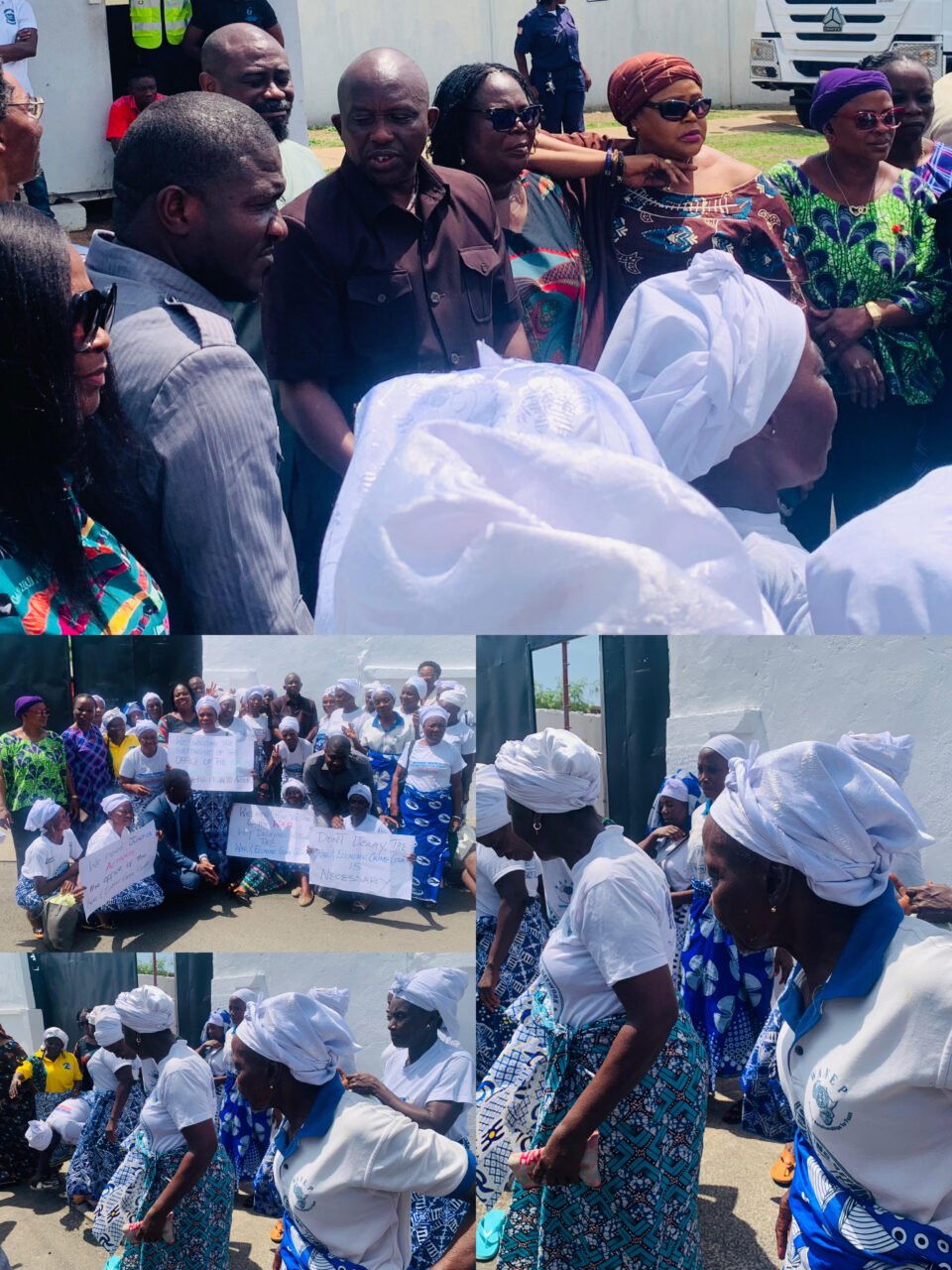
The WECC Executive Director Cllr. Jallah Barbu told group of Liberian women who had gone to protest against the delay in the establishment of the World and Economic Crimes Court that modalities and all formalities leading the establishment of the court and its functionality are currently ongoing.
WIPNET Calls for Speedy Progress
Several Liberian women under the banner “Women in Peacebuilding Network” (WIPNET) on Wednesday peacefully marched to the office of the WECC in Monrovia to inquire why the establishment of the court was at snail pace.
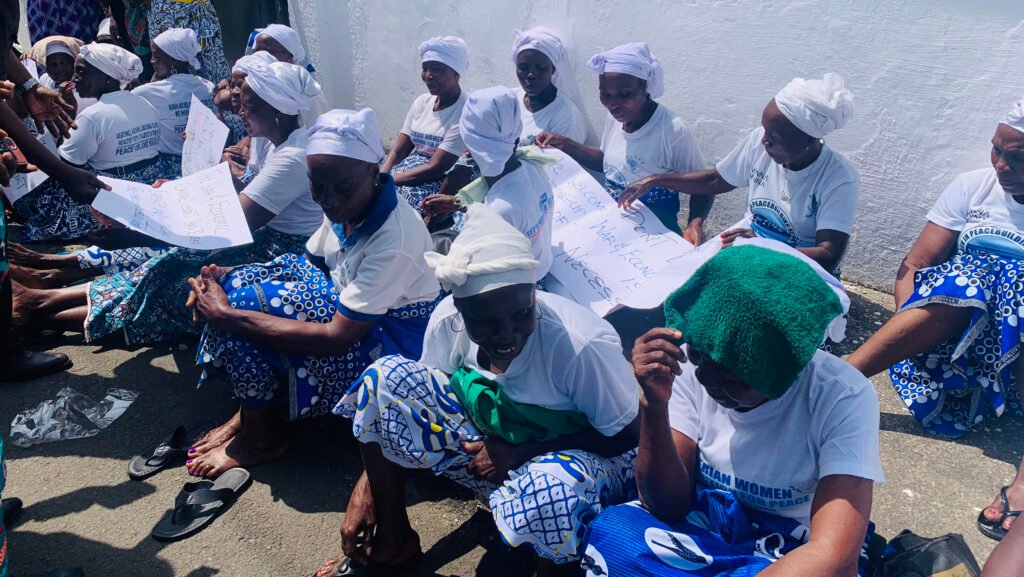
The Coordinator of the institution told reporters and authorities of the Liberian government including Cllr. Barbu and team that since the establishment of the office, not much has been heard about when the court will begin prosecution of people who bear some of the greatest responsibilities of the Liberian civil conflict.
Madame Bernice Freeman said it was taking the government too long for the establishment of the court and that many Liberians who are victims of the war were running out of patience.
“When people working and you come here you need to see logistics. I am talking about cars and the visibility of the office but there is nothing like that. All these women have different stories of what they felt during the war. There is too much delay. She said.
“You see that woman sitting down over there (pointing at one of her colleagues) they kill her husband during the war and give her his head to take it along. People are still hurt. Madame Freeman mentioned.
Ongoing Process Leading to WECC Establishment
“Beyond the protest of the women, the commitment to have the court operationalized in 2027 it doesn’t fall from the sky. We have had several meetings, we’ve done some calculation, and we are very clear that by the government political will, by all that we have done so far especially that we have developed a roadmap, quite definitively of where we are going, we see that the courts establishment is doable, it is achievable. Office of War and Economic Crimes Court Executive Director Jallah Barbu said.
Cllr. Jallah told the women, the government has pledged that the process of the court will remain on course and it will be actualized.
He promised that the office is currently working out all modalities to have a full framework for the establishment of the court.
“At current, we are having multiple works going on. We have a review of documents that includes the draft resolution of the court that was made by the Liberian National Bar Association revised over the period by a number of institutions. We also have study going on for where the court could probably be located and we have a group of persons who are now consideration security with respect to the court.” Cllr. Barbu said.
According to Cllr. Jallah, there is a group now figuring out who will be the possible independent prosecutors as well as the judges and the nature of the court.
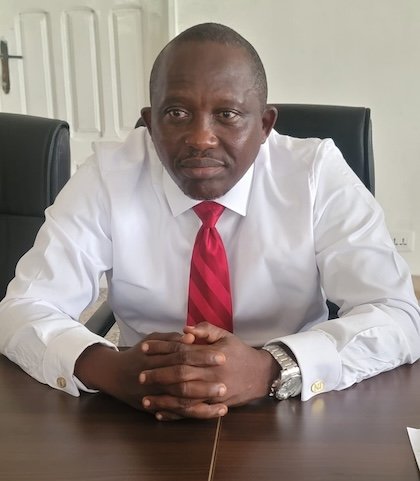
Another group of technical people are now reviewing the constitutional problem that we could have with respect to several of the constitutional provisions that could affect the smooth running of the court if not handled properly.
The Executive Director of the WECC said his team is now having robust engagements will civil society organizations, transitional justice actors, and engagement with people out of the country as well.
Location of the Court
It has been rumored that the court would be established in Ghana or other neighboring counties for fear of security but Cllr. Barbu assured that the court will be established in Liberia.
Though he did not say which part of Liberia the court will be but said it will be on a Liberian soil with international judges due to the lack of experience of Liberians judges/lawyers when it comes to prosecuting war crimes.
He said there has been no discussions at anywhere or anytime that the court will be located out of Liberia.
Liberian Civil War
Between 1989 and 2003, civil war consumed the small West African nation of Liberia, resulting in the estimated deaths of 150,000 to 250,000 men, women and children, and the displacement of over half the country’s population.
According to the Center for Justice & Accountability All parties to the conflict were responsible for grave crimes and human rights atrocities, including torture, rape, sexual slavery, summary executions, and forced conscription of child soldiers.
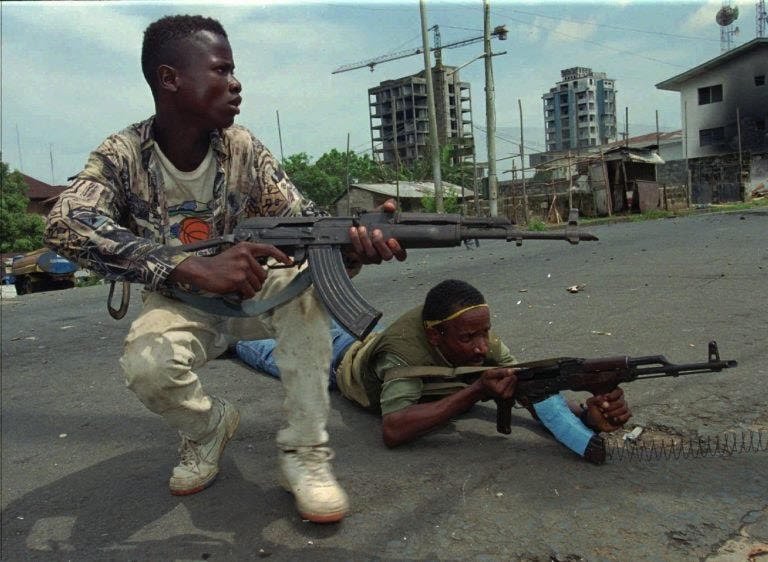
Since 2003, Liberia has made significant progress in areas such as infrastructure development and security, yet major obstacles remain to long-term growth and sustainable peace, not least an enduring culture of impunity for civil war era atrocities.
