


NATIONAL NEWS
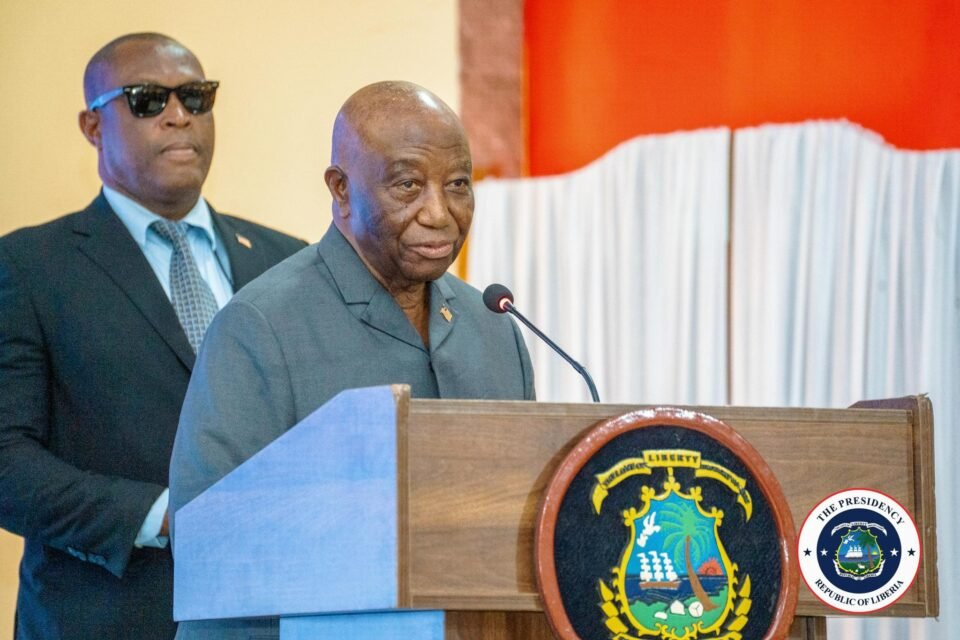
MONROVIA – As President Joseph Nyuma Boakai Sr marks the second anniversary of his inauguration, analysts remain divided over how much Liberia has changed under his much-touted “Rescue” mandate.
While the country’s diplomatic standing appears to have improved significantly, experts say progress in governance, public safety, and everyday economic wellbeing remains uneven.
By: Rufus Divine Brooks – Jr-rufusbrooks091@gmail.com
“On the international front, the gains are unmistakable,” said Dr. Abdoulaye Dukule, a senior fellow at the Focus on Liberia (FOL) policy platform.
“Liberian diplomacy has made notable strides, restoring credibility and improving the country’s standing abroad. This is no small achievement, as a positive international image is one of a nation’s most valuable assets—it attracts respect, partnerships, and investment.”
According to Dr. Dukule, the Boakai administration deserves credit for repositioning Liberia on the global stage since taking office in January 2024.
Over the past two years, the government has pursued an assertive foreign-policy agenda. Liberia re-entered the ECOWAS Trade Facilitation Protocol in March 2024, contributing to a 12 percent increase in intra-regional trade by the fourth quarter of 2025.
In August 2024, Liberia signed a bilateral investment treaty with Kenya, unlocking an estimated US$150 million in Kenyan-funded infrastructure projects.
Liberia also hosted the African Union “Youth and Development” Summit in Monrovia in November 2025, an event credited with boosting tourism revenue by eight percent in 2025.
Earlier, in February 2025, the government secured a US$200 million World Bank grant for renewable-energy upgrades, adding 150 megawatts of solar capacity to the national grid and reducing power outages by an estimated 22 percent.
The Ministry of Foreign Affairs reports that foreign direct investment inflows increased by 35 percent between 2023 and 2025.
Meanwhile, Liberia’s “Global Perception Index”—a composite measure of diplomatic reputation compiled by the International Institute for Governance—rose from 42 to 58 out of 100 over the same period.
However, the same FOL panel that praised Liberia’s diplomatic rebound cautioned that domestic indicators tell a less encouraging story.
In a recent policy briefing, panelist and former civil-society activist Mariam Jallah observed that while corruption is more visible under the current administration, exposure alone does not amount to reform.
“Corruption is more exposed today,” Jallah noted, “but exposure without consequences is not reform.”
On public safety, official data show that the homicide rate declined slightly from 9.3 per 100,000 people in 2023 to 8.8 in 2025. Despite the marginal improvement, public confidence in law-enforcement institutions remains low. A 2025 Afrobarometer survey found that only 38 percent of Liberians trust the police.
Economic hardship also remains widespread. The World Bank’s 2025 poverty assessment indicates that 44 percent of Liberians continue to live below the national poverty line, a negligible improvement compared to 2023 figures.
Similarly, Transparency International’s 2025 Corruption Perceptions Index shows Liberia improving modestly from a score of 29 out of 100 in 2023 to 34 in 2025. Despite the uptick, the country remains classified within the “highly corrupt” category.
Public frustration has been heightened by several unresolved corruption allegations. One high-profile case involves a senior Ministry of Health official accused of misappropriating US$1.2 million in procurement funds, despite earning a reported monthly salary of US$3,000.
Although the official was placed on administrative leave in September 2025, no formal charges have been filed to date.
As President Boakai enters the second half of his term, analysts agree that while Liberia’s international image has improved, citizens are increasingly focused on whether diplomatic gains will translate into tangible improvements in governance, accountability, and living conditions at home.
