


By: Trokon Wrepue – trokon1992seokin@gmail.com
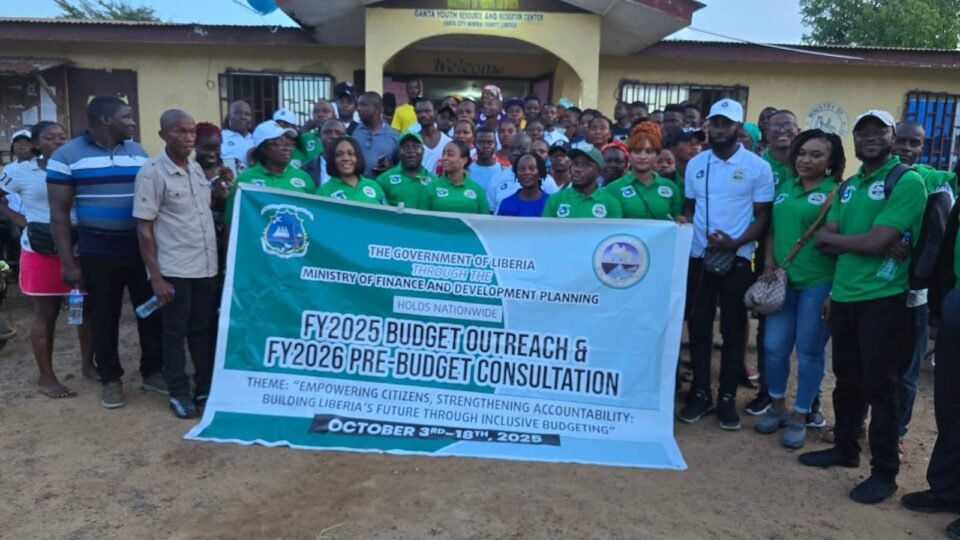
Sanniquellie, Nimba County — The Government of Liberia has officially launched its 2025 National Budget Outreach and FY2026 Pre-Budget Consultation, marking a major stride in its Open Budget Initiative (OBI) aimed at decentralizing development and fostering citizen participation in the national budgeting process.
The program, launched on Saturday in Sanniquellie by the Ministry of Finance and Development Planning (MFDP), seeks to demystify the national budget, promote transparency, and ensure that citizens’ voices directly influence how public resources are allocated and spent.
Deputy Minister for Fiscal Affairs, Hon. Anthony G. Myers, who formally launched the initiative, said hosting the event outside Monrovia was a deliberate move to emphasize the government’s commitment to decentralization.
“The choice of this location is very significant,” Minister Myers said. “It is a signal of our commitment to decentralization, which underpins all the legal and policy frameworks guiding the Open Budget Initiative.”
He stressed that the national budget remains the government’s most powerful instrument for transforming policies into tangible results.
“The budget is the tool for decentralization,” Myers noted. “It provides resources for County Development Agendas, builds schools, improves healthcare, supports farmers, creates jobs, maintains roads, and delivers essential services.”
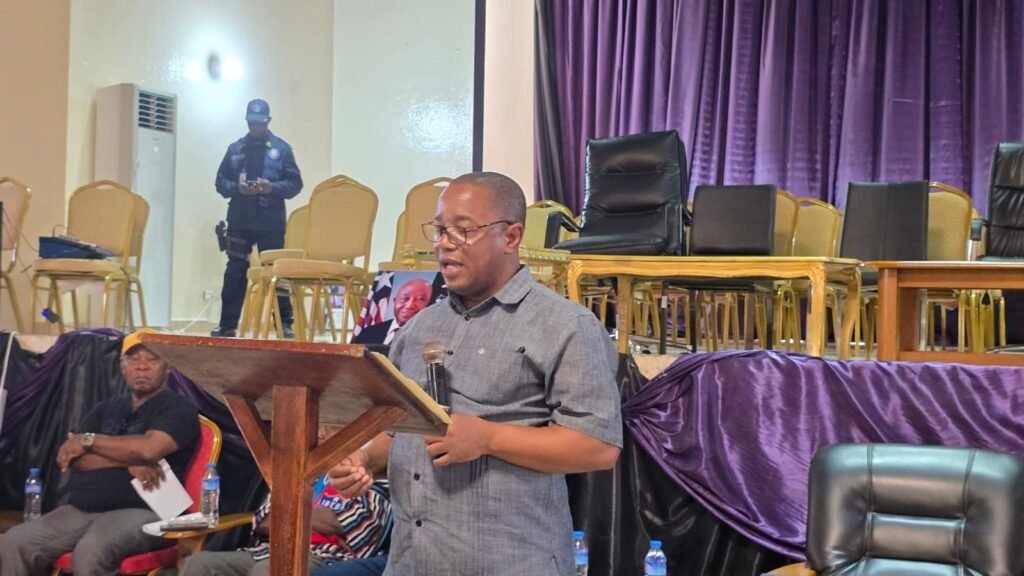
Deputy Finance Minister Anthony Myres
In a key announcement, Minister Myers revealed that the government will distribute 85 pieces of road-building equipment across the 15 counties — five per county — to support infrastructure development. He added that dedicated funding for the operation and maintenance of these machines has already been captured in the national budget and will be managed through county development agencies.
Deputy Finance Minister for Administration, Hon. Bill McGill Jones, echoed the theme of transparency and inclusiveness, saying the outreach reflects the government’s concrete dedication to accountability.
“The National Budget may seem technical, but it reflects our collective priorities and aspirations,” Jones stated. “It is about the quality of education our children receive, the strength of our healthcare system, the roads that connect our communities, and the opportunities that improve our daily lives.”
During the launch, the MFDP presented its mid-year fiscal report, providing citizens with an overview of how funds have been utilized and emphasizing that transparency is a duty, not an option.
Assistant Budget Director Carolyn Myers outlined the consultation framework, which aims to educate citizens on how public funds are raised, allocated, and tracked. Participants — including students, people with disabilities, civil society organizations, and members of the business community — engaged in discussions on government allocations, fiscal accountability, and citizen monitoring of local spending.
Representing the Nimba County administration, Prince Nyae, who served as proxy for the Superintendent, welcomed the initiative as a vital opportunity for citizens to voice their priorities. He underscored the county’s pressing needs in road development, healthcare, education, and agriculture.
The Sanniquellie launch symbolizes the government’s effort to transform the national budget from a technical document into a participatory tool for inclusive development.
