


By Sampson W. Weah
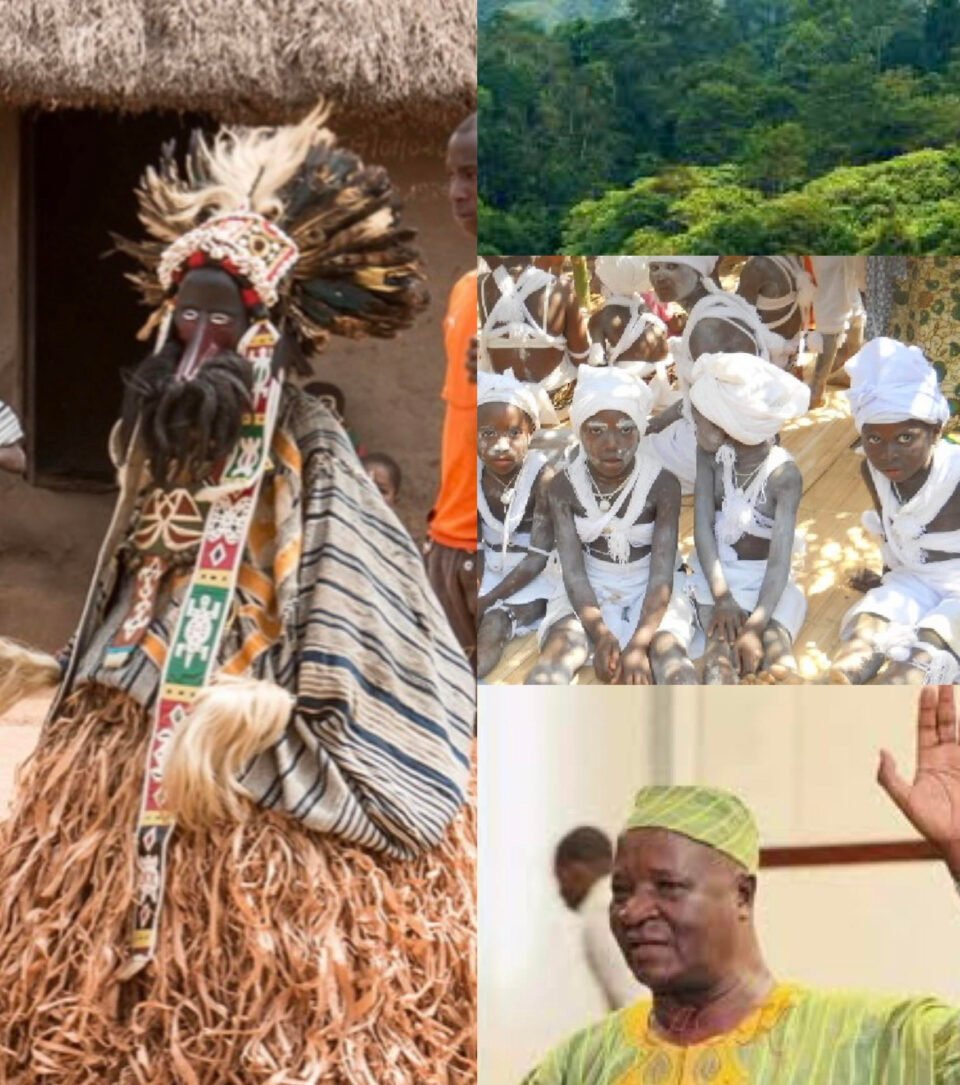
Monrovia – The Sande and Poro societies are the trusted custodians of “culture'” in much of Liberia and have been present in the region for centuries.
These societies are traditionally believed to inculcate values and teach skills conducive to communal harmony and to prepare children for the rigors of adulthood.
A UN Refugee Agency Report says the secreted societies also have a spiritual dimension, though they are not considered to be religious institutions as such, and most Sande and Poro members are also adherents of Christianity or Islam.
The Sande is a secret female society and Poro is its male equivalent.
Sande is led by zoes, traditional practitioners who lead the bush schools, perform Female Genital Mutilation/Female circumcision and act as birth attendants.
Multiple reports have suggested that the female circumcision portion is harmful to women initiated into the secreted society.
Female genital mutilation (FGM) comprises all procedures that involve partial or total removal of the external female genitalia, or other injury to the female genital organs for non-medical reasons. The practice has no health benefits for girls and women and can result in severe bleeding and problems urinating, and later cysts, menstrual difficulties, infections, as well as complications in childbirth and increased risk of newborn deaths.
In several parts of rural Liberia girls will abandon western education for the sande society. In most cases, they are forcefully initiated, some go there willingly while others are forced into it by their parents who have lived with the traditional practice for years.
For the poro, boy who go there are reportedly given some strong spiritual powers though they are thought some lessons that help prepare them for adulthood.
Call for End to FGM
Across Liberia, there are several calls for the traditional folks to abandon the secreted cultural practice but achieving that seems to be at a very snail pace.
In other places, the traditional bushes have been broken while the practice continues in most of Liberia though the government and EU including other partners are striving to end the practice.
Pundits have said, authorities should be able to provide livelihood opportunities for the traditional zoes who depend on the poro and sande practices.
Government Recent Decision
Amid the concerns, the government of Liberia has suspended all poro and sande practices for at least nine months beginning April 30, 2025 to January 5, 2026.
Internal Affairs Minister Francis Sakila Nyumalin told the government Ministry of Information Press Briefing on Tuesday March 25, 2025 that the was decision following a joint session Internal Affairs officials along with 30 members of the National Council of Chiefs, including Paramount Chiefs and other traditional leaders.
The meeting focused on critical national issues, including the misuse of cultural traditions for financial gain, the lack of regulations governing traditional schools, the role of chiefs in national politics, and the increasing influence of drug abuse in rural communities.
Key Issues Addressed
During the discussions, it was revealed that some Poro and Sande schools have been operating outside their original purpose, prioritizing financial benefits over cultural preservation.
“Additionally, in some cases, their activities have disrupted local economies, including the operations of concession companies.” Miniister Nyumalin said.
The meeting raised concerns over the chiefs playing active roles in politics rather than serving as neutral mediators in community peace and security matters.
The lack of a clear database on Poro and Sande schools, as well as unregulated enrollment ages, were identified as major challenges.
Resolutions and Mandates
Following deliberations, the National Council of Chiefs made several recommendations, which were officially endorsed by Minister Nyumalin. These include:
1. Suspension of Poro and Sande Schools – All operations will be halted from April 30, 2025, until January 5, 2026, to allow for regulatory reforms.
2. Graduation Deadline – Children currently enrolled must complete their initiation process by April 30, 2025. Violators will face prosecution under new regulations set by the Ministry of Internal Affairs and the National Council of Chiefs.
3. New Regulatory Framework – Policies and laws will be introduced to guide the operations of Poro and Sande societies, including age restrictions for enrollment.
4. Protection of Cultural Heritage – Chiefs and elders are mandated to uphold and promote Liberia’s positive cultural values.
5. Dissolution of Cultural Coordinators – All existing Coordinators for Culture and Tradition are relieved of their duties, pending new recommendations by the County Chair of the National Council of Chiefs.
6. Strict Implementation – All county superintendents, commissioners, city mayors, paramount, clan, and general town chiefs are instructed to enforce the suspension order without exception.
A Call for Reform
Speaking at the session, Minister Nyumalin emphasized that the move is not intended to abolish Liberia’s cultural traditions but rather to ensure that they are practiced responsibly and in line with human rights standards.
“The government values our traditions and the role they play in shaping our national identity. However, we must ensure that these practices align with our broader goals of education, peace, and national development,” the Minister stated.
Paramount Chief Arthur W. Dowah, Chairman of the National Council of Chiefs, echoed the Minister’s sentiments, stressing the need for a structured approach to cultural education.
“This decision is necessary for the future of our children and the dignity of our traditions,” Chief Dowah remarked. “We cannot allow the misuse of our sacred institutions for personal gain at the expense of our people.”
Endorsements and Next Steps
The resolutions were signed by key members of the National Council of Chiefs, including Paramount Chief Gbotorlu Ballah, Vice Chairman for Culture and Traditions, and Paramount Chief Rhoda Garmu, Vice Chairperson for Peace and Reconciliation.
With the endorsement from Minister Nyumalin, local authorities across Liberia are expected to begin enforcing the new measures immediately. The Ministry has also pledged to work closely with traditional leaders, human rights organizations, and other stakeholders to develop comprehensive regulations governing traditional schools.
As Liberia moves forward with these reforms, the government assures the public that the protection of cultural heritage and the well-being of its citizens remain a top priority.
